Embarking on a treasure hunt with your metal detector is an exhilarating experience, but the excitement often leaves your valuable equipment covered in mud, sand, and grime. Proper cleaning isn’t just about aesthetics; it’s crucial for maintaining performance, preventing costly damage, and extending the lifespan of your device. Learning how to safely and effectively clean a dirty metal detector at home ensures your next adventure is just as fruitful as the last, keeping your finder in top working order. This comprehensive guide will walk you through everything you need to know, from essential tools to detailed cleaning steps for every component.
Metal Detector: Overview and the Importance of Cleanliness
A metal detector, at its core, is an electronic instrument used to detect the presence of metal nearby. It consists of a stabilizer, a control box, a shaft, and a search coil. Over time, these components, especially the search coil which often makes direct contact with the ground, accumulate dirt, sand, salt, and other debris. This buildup isn’t merely unsightly; it can significantly impact your detector’s sensitivity and depth capabilities. Dirt and grime can obscure connectors, corrode contacts, trap moisture, and even cause false signals, ultimately hindering your ability to locate hidden treasures. Regular and meticulous cleaning is paramount to preserving your detector’s functionality and ensuring consistent, peak performance on every outing, whether you’re searching a muddy field or a sandy beach.
Essential Cleaning Tools and Preparations
Before diving into the actual cleaning process, having the right tools on hand will make the task much easier and safer for your equipment. Preparing your workspace and gathering your supplies beforehand ensures a smooth and thorough cleaning session.
Gathering Your Supplies
To tackle a dirty metal detector effectively, you’ll need a few common household items and some specialized cleaning accessories:
- Soft-bristled brush: Ideal for sweeping away loose dirt and debris without scratching surfaces. An old toothbrush can work wonders for crevices.
- Several soft cloths: Microfiber cloths are excellent for displays and sensitive surfaces, while standard soft cloths are good for general wiping.
- Mild soap solution: A few drops of dish soap mixed with water for tougher grime on the coil.
- Clean water: For rinsing and dampening cloths.
- Isopropyl alcohol: For cleaning battery compartment contacts.
- Cotton swabs: Perfect for reaching tight spots around buttons and connectors.
- Coil cover remover tool (if applicable): To carefully detach the coil cover for thorough cleaning.
|
Our Picks for the Best Metal Detector in 2026
As an Amazon Associate I earn from qualifying purchases.
|
||
| Num | Product | Action |
|---|---|---|
| 1 | SUNPOW Metal Detector for Adults Professional - High Accuracy with 12" Waterproof Coil, 2x Backlit LCD Display, Advanced DSP Chip, 5 Modes, Adjustable Length (19"-59"), Sturdy Spiral Structure -OTMD14 |

|
| 2 | PANCKY Metal Detectors for Adults Waterproof, Professional Higher Accuracy Gold Detector with LCD Display, 5 Mode, Advanced DSP Chip 10" Coil, PK0075 |
|
| 3 | SUNPOW Metal Detector for Adults & Kids, Kids Metal Detector kit Waterproof for Gold Detecting, Stable Anti-Interference, Higher Accuracy, Bigger LCD Display, 4 Modes, 8" Search Coil, MD13 |
|
| 4 | Professional Metal Detector for Adults,12" IP68 Waterproof Search Coil with LCD Backlight,5 Modes Gold Detector,Advanced DSP Chip&High Accuracy System for Beach/Gold Hunting |
|
| 5 | PANCKY Metal Detectors for Adults Waterproof, Professional Higher Accuracy Gold Detector with LCD Display, 5 Mode, Advanced DSP Chip 10" Coil, PK0075 |
|
| 6 | 2026 Latest Metal Detector for Adults, Professional Waterproof & Adjustable Stem, Higher Accuracy Gold Detector with LCD, Advanced DSP Chip, 2.26 Pounds Lightweight Suitable for Beach and Backyard |
|
| 7 | GoGonova Metal Detector for Adults & Kids, Kids Metal Detector, Waterproof Metal Detectors with High Accuracy Lightweight 8" Search Coil, All Metal & Disc Modes for Junior & Youth Gold Detector |
|
| 8 | Metal Detector for Adults Professional, Waterproof Pinpoint, High Accuracy Gold and Silver Detection, Underwater and Beach Use, 10'' IP68 Coil, Bigger LCD, New Advanced DSP Chip, Black |
|
| 9 | Bounty Hunter TK4 Tracker IV Metal Detector – All-Terrain Gold, Silver, Coin & Relic Finder with 8" Waterproof Coil, 3 Detection Modes – for Adults & Kids – Made in USA |
|
| 10 | DR.ÖTEK Metal Detector for Adults, Professional Metal Detectors Waterproof with 10" IP68 Coil, Larger LCD Display, High Accuracy for Gold & Silver Detection & Beach Treasure Hunting, Beginner Friendly |
|
Pre-Cleaning Steps
Before any wet cleaning begins, always start by removing as much loose dirt as possible. This prevents scratching sensitive parts and makes subsequent steps more efficient.
- Remove Loose Debris: Use your soft-bristled brush to gently sweep away dirt, mud, sand, and dust from all surfaces of your metal detector. Pay close attention to the crevices around buttons, the edges of the display, and any connection points where grime can accumulate. If you’ve been detecting on beaches, thoroughly brush off any salt crystals before they can cause corrosion.
- Disassemble Coil Cover: If your search coil has a removable protective cover or scuff plate, carefully detach it. These covers are designed to take the brunt of ground contact and often harbor significant amounts of dirt, metal trash, and sand that can cause false signals if not cleaned regularly.
- Extend Shafts: Fully extend any telescopic shafts to allow for easy access and cleaning of the inner sections, where dirt can also hide.
A Step-by-Step Guide to Cleaning Your Metal Detector
With your tools ready and initial debris removed, you can now proceed with a more detailed cleaning of each component. Remember, gentleness is key, especially with electronic parts.
Cleaning the Search Coil and Coil Cover
The search coil is the most exposed part of your detector and requires the most thorough cleaning. It’s designed to be robust, but proper care prevents issues.
- Wash the Coil and Cover: Using a damp cloth soaked in a mild soap solution, wipe down both sides of the search coil and the detached coil cover. For stubborn mud, you can use the soft-bristled brush with the soapy water. Ensure all trapped debris, especially small metallic fragments between the coil and cover, are removed as these can interfere with detection.
- Rinse Thoroughly: With a separate clean, damp cloth (moistened only with plain water), wipe down the coil and cover to remove any soap residue.
- Dry Completely: Allow the coil and cover to air dry completely, or meticulously dry them with a clean, dry cloth before reassembly. Ensure there is no moisture left, especially around the coil cable entry point, to prevent water infiltration and damage.
- Inspect for Damage: While cleaning, check the coil and its cover for any cracks, nicks, or other damage that could compromise their integrity or allow moisture to seep into the coil’s internal electronics.
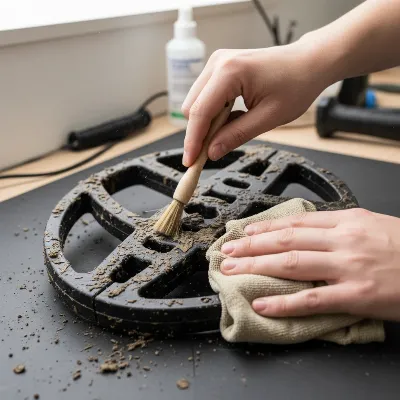 A close-up image of a person cleaning a dirty metal detector search coil with a soft brush and damp cloth, showing attention to detail.
Caring for the Control Box and Display
The control box houses the sensitive electronics of your metal detector, making it the most vulnerable part to moisture. Exercise extreme caution here.
- Wipe Down the Control Box: Use a dry, soft cloth to wipe the entire surface of the control box. Avoid any excessive moisture. Many control boxes are not waterproof, so direct water contact can cause severe damage.
- Clean Around Buttons and Ports: Dip a cotton swab in a tiny amount of isopropyl alcohol or just water (and squeeze out excess) to carefully clean around buttons, dials, and connection ports. This removes accumulated grime that can cause sticky buttons or poor connections.
- Clean the Display Screen: Gently clean the display screen with a clean microfiber cloth. For stubborn smudges, slightly dampen the microfiber cloth with water (or a screen-safe cleaner, if specifically recommended by the manufacturer), then wipe dry immediately. Never spray liquids directly onto the display.
- Battery Compartment Contacts: If your detector uses removable batteries, open the battery compartment. Inspect the metal contacts for corrosion. If present, gently clean them with a cotton swab lightly dampened with isopropyl alcohol. Ensure they are completely dry before inserting new batteries or closing the compartment.
- Remove Batteries for Storage: When storing your detector for extended periods, always remove the batteries to prevent leakage and corrosion, which can severely damage the control box electronics.
Wiping Down the Shaft and Cables
The shaft and cables are often overlooked but are important for the structural integrity and functionality of your detector.
- Clean the Shaft: With the shafts fully extended, wipe them down with a damp cloth to remove any dirt or residue. Pay attention to the locking mechanisms and connection points. Ensure all moisture is dried completely.
- Inspect Cables: Carefully inspect the coil cable and any other cables for kinks, cuts, or insulation damage. Check where the cable enters the coil and where it connects to the control box to ensure connections are secure and free from damage. Loose or damaged cables can lead to erratic signals or complete loss of function.
- Tighten Connectors (Gently): If your detector has removable connectors, ensure they are properly attached and tightened, but do not overtighten, especially if they screw into plastic, as this can strip the threads.
Important Do’s and Don’ts for Metal Detector Maintenance
Following these guidelines will help ensure your metal detector remains in peak condition and avoids common pitfalls that can lead to damage.
What to Do
- Clean Regularly: Make cleaning a routine after every hunt, especially if you’ve been in wet, muddy, or sandy conditions.
- Remove Loose Dirt First: Always start by brushing off dry debris before introducing any liquids.
- Consult Your Manual: Always refer to your metal detector’s user manual for specific cleaning instructions and recommendations for your model.
- Use Mild Cleaners: Stick to mild soap solutions for coils and isopropyl alcohol for electrical contacts.
- Ensure Complete Drying: Moisture is the enemy of electronics. Always make sure every part is thoroughly dry before reassembly or storage.
- Store Properly: Keep your detector in a cool, dry place, ideally in a protective case, and with batteries removed for long-term storage.
What to Avoid
- Harsh Chemicals: Never use abrasive cleaners, solvents, or harsh chemicals like bleach (e.g., Clorox wipes) on any part of your metal detector, as these can damage plastics, rubber seals, and electronic components.
- Submerging Non-Waterproof Parts: Only submerge your metal detector or its components if it is specifically rated as waterproof. Never submerge the control box unless explicitly stated in your manual.
- Spraying Liquids Directly: Avoid spraying any liquids directly onto the control box, display screen, or any electronic parts. Apply liquids to a cloth first.
- Overtightening Screws: Be careful when tightening screws, especially those holding the control box halves together, as plastic threads can strip easily.
- Ignoring Damage: Don’t ignore physical damage like cracks in the coil or control box. These can lead to moisture infiltration and should be addressed promptly.
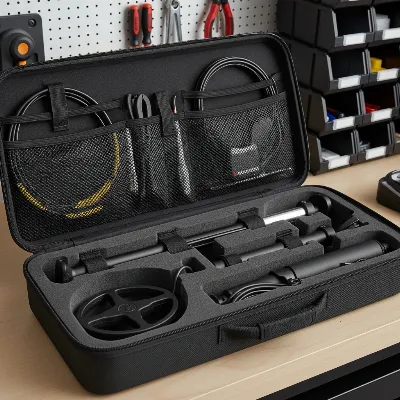 An image illustrating the proper storage of a cleaned metal detector in a protective case, emphasizing care.
Prolonging the Life of Your Detector: Storage and Beyond
Beyond regular cleaning, how you store and care for your metal detector when not in use significantly impacts its longevity and performance. Proper storage helps prevent damage from environmental factors and ensures it’s ready for your next adventure.
After cleaning, ensure your detector is completely dry before storing it. Store it in a cool, dry place away from extreme temperatures and humidity. A dedicated padded carrying case offers excellent protection against bumps and impacts. Always remove batteries if you plan to store your detector for more than a few weeks to prevent corrosive leakage.
While most routine maintenance can be handled at home, there are times when professional help is needed. If you encounter persistent problems despite thorough troubleshooting, erratic signals that don’t improve with calibration, physical damage to the control box or internal components, water damage or moisture infiltration, or display malfunctions, it’s best to seek professional service. Trained technicians have specialized diagnostic equipment and can perform repairs that comply with manufacturer warranties.
Conclusion
Keeping your metal detector clean is a simple yet vital practice that ensures its optimal performance and extends its life for countless treasure-hunting expeditions. By regularly brushing off loose dirt, carefully cleaning the coil with a mild solution, and gently wiping the control box with dry cloths, you actively protect your investment from the elements. Always remember the critical steps: remove debris first, clean specific components with appropriate tools and liquids, ensure everything is completely dry, and store your detector properly with batteries removed. Make these simple cleaning habits a part of your post-hunt routine, and your metal detector will continue to unearth exciting discoveries for years to come. What hidden treasures will your well-maintained detector help you find next?
Câu Hỏi Thường Gặp
What should I do if my metal detector gets wet?
If your metal detector gets wet, especially the control box, immediately power it off and remove the batteries. Wipe down all external surfaces with a dry cloth. If it’s a non-waterproof model and the control box was submerged, it’s best to consult a professional for inspection, as internal damage may occur. For waterproof models, simply wipe dry.
Can I use compressed air to clean my metal detector?
Yes, compressed air can be useful for blowing dirt and debris out of hard-to-reach crevices around buttons, shafts, and connectors on your metal detector. However, use it cautiously, holding the can upright to prevent propellant from spraying onto components, which could leave a residue or introduce moisture.
How often should I clean my metal detector?
Ideally, you should perform a basic clean (brushing off loose dirt and wiping surfaces) after every use, especially if you’ve been in muddy, sandy, or wet conditions. A more thorough cleaning, including removing the coil cover and detailed wiping, should be done regularly, perhaps every few uses or once a month, depending on how frequently you detect and the environments you visit.
Is it safe to use car cleaning products like Armor All on my metal detector?
While some users might suggest products like Armor All for plastic parts, it’s generally best to avoid them. These products can sometimes contain chemicals that might degrade the plastic or rubber seals over time, or leave a residue that attracts more dirt. Stick to mild soap and water or plain damp cloths for general cleaning to ensure safety and longevity.
My metal detector’s display screen is foggy, how can I clean it safely?
For a foggy or smudged display screen, gently wipe it with a clean, dry microfiber cloth. If smudges persist, slightly dampen the microfiber cloth with plain water or a screen-safe electronic cleaner (ensure it’s alcohol-free and ammonia-free), then immediately wipe dry with another clean, dry microfiber cloth. Avoid harsh chemicals or abrasive materials that can scratch the screen.
