To ensure peak performance and extend the lifespan of your metal detector, implement a diligent maintenance routine after every use. This includes cleaning the search coil, control box, shaft, and managing batteries properly. Neglecting care can lead to reduced sensitivity, inconsistent readings, and costly repairs, potentially causing you to miss valuable finds. Regular maintenance directly impacts accuracy, depth capabilities, and reliability, safeguarding your equipment for productive treasure hunts.
Metal Detector Care: Understanding Your Investment
A metal detector operates by emitting an electromagnetic field from its search coil. When this field encounters a metallic object, it creates a detectable change, which the control box processes into audio or visual signals. This process relies on sensitive components, including delicate wiring, circuit boards, and battery connections. These elements are constantly exposed to dirt, moisture, sand, and varying temperatures, which can degrade performance over time.
Regular maintenance is paramount because it directly impacts your detector’s accuracy, depth capabilities, and reliability. A well-maintained machine offers consistent results, reduces false signals, and prevents premature wear that could lead to expensive fixes. Proactive care safeguards your equipment and ensures every hunt is as productive as possible.
Key Considerations for Metal Detector Maintenance
Maintaining your metal detector is not a one-size-fits-all task; it should be tailored to how and where you use your device. Adopting a mindful approach based on specific scenarios will significantly enhance its longevity and performance.
Budgeting for Longevity
While the initial investment in a metal detector can be substantial, consider regular maintenance a cost-saving strategy. Proactive cleaning, proper storage, and timely component checks are far less expensive than repairing or replacing damaged parts due to neglect. Small, consistent efforts can prevent major malfunctions, saving you money and downtime in the long run. By extending your detector’s operational life, you maximize the return on your initial investment and ensure many years of reliable service.
Tailoring Maintenance to Your Detecting Environment
The environment where you operate your metal detector dictates specific cleaning and care requirements. Different terrains pose unique challenges that demand particular attention.
- Beach and Wet Conditions: Detecting on beaches, especially in saltwater, exposes your equipment to corrosive elements. Salt spray and fine sand can infiltrate connections and surfaces, causing significant damage. Even if your detector is waterproof, a thorough rinse with fresh water after every beach outing is crucial to remove salt and sand. Ensure all parts are completely dry before storage.
- Field and Inland Conditions: Hunting in fields, forests, or parks typically involves exposure to dirt, mud, dust, and vegetation. While less corrosive than salt, these elements can still accumulate, clog crevices, and interfere with moving parts or sensitive electronics. A gentle wipe-down and removal of debris after each session is vital.
Optimal Storage Conditions
|
Our Picks for the Best Metal Detector in 2026
As an Amazon Associate I earn from qualifying purchases.
|
||
| Num | Product | Action |
|---|---|---|
| 1 | Professional Metal Detector for Adults,12" IP68 Waterproof Search Coil with LCD Backlight,5 Modes Gold Detector,Advanced DSP Chip&High Accuracy System for Beach/Gold Hunting |

|
| 2 | 2026 Latest Metal Detector for Adults, Professional Waterproof & Adjustable Stem, Higher Accuracy Gold Detector with LCD, Advanced DSP Chip, 2.26 Pounds Lightweight Suitable for Beach and Backyard |
|
| 3 | Metal Detector for Adults Professional, Waterproof Pinpoint, High Accuracy Gold and Silver Detection, Underwater and Beach Use, 10'' IP68 Coil, Bigger LCD, New Advanced DSP Chip, Black |
|
| 4 | PANCKY Metal Detectors for Adults Waterproof, Professional Higher Accuracy Gold Detector with LCD Display, 5 Mode, Advanced DSP Chip 10" Coil, PK0075 |
|
| 5 | PANCKY Metal Detectors for Adults Waterproof, Professional Higher Accuracy Gold Detector with LCD Display, 5 Mode, Advanced DSP Chip 10" Coil, PK0075 |
|
| 6 | SUNPOW Metal Detector for Adults Professional - High Accuracy with 12" Waterproof Coil, 2x Backlit LCD Display, Advanced DSP Chip, 5 Modes, Adjustable Length (19"-59"), Sturdy Spiral Structure -OTMD14 |
|
| 7 | SUNPOW Metal Detector for Adults & Kids, Kids Metal Detector kit Waterproof for Gold Detecting, Stable Anti-Interference, Higher Accuracy, Bigger LCD Display, 4 Modes, 8" Search Coil, MD13 |
|
| 8 | GoGonova Metal Detector for Adults & Kids, Kids Metal Detector, Waterproof Metal Detectors with High Accuracy Lightweight 8" Search Coil, All Metal & Disc Modes for Junior & Youth Gold Detector |
|
| 9 | Bounty Hunter TK4 Tracker IV Metal Detector – All-Terrain Gold, Silver, Coin & Relic Finder with 8" Waterproof Coil, 3 Detection Modes – for Adults & Kids – Made in USA |
|
| 10 | DR.ÖTEK Metal Detector for Adults, Professional Metal Detectors Waterproof with 10" IP68 Coil, Larger LCD Display, High Accuracy for Gold & Silver Detection & Beach Treasure Hunting, Beginner Friendly |
|
How you store your metal detector when not in use is just as important as how you maintain it in the field. Improper storage can lead to electronic degradation, battery issues, and physical damage.
Always store your metal detector in a cool, dry place, away from direct sunlight, extreme temperatures, and high humidity. These conditions can warp plastics, corrode metals, and harm sensitive circuitry. If possible, consider storing it in its original packaging or a dedicated carrying case to protect it from dust, impacts, and pressure from other objects. For long-term storage, removing batteries is a crucial step to prevent potential leakage and corrosion inside the battery compartment.
User Skill Level and Maintenance
Regardless of your experience level, basic maintenance is universal. Beginners should focus on essential cleaning and proper handling, while seasoned detectorists might examine more advanced checks like monitoring coil integrity and connector health. Always refer to your detector’s user manual, as it provides specific guidelines tailored to your model, ensuring you apply the correct care for its unique features and components.
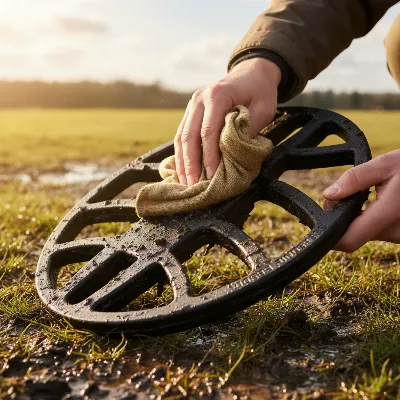 A person meticulously cleaning a metal detector search coil in a natural outdoor setting
Component-Specific Maintenance Guide
Each part of your metal detector plays a vital role in its operation and requires specific attention during maintenance. Understanding these individual needs ensures comprehensive care for your entire device.
Search Coil Care
The search coil is arguably the most exposed component, constantly interacting with the ground. It is prone to accumulating dirt, mud, sand, and suffering physical abrasion.
- Cleaning: After each use, especially in muddy or sandy conditions, remove the coil cover (if applicable) and clean both the coil and the cover thoroughly. Use a damp cloth with a mild soap solution to wipe away debris, then rinse with clean water and dry completely. Pay attention to any trapped debris between the coil and its cover, as this can cause false signals.
- Inspection: Regularly inspect the search coil for any cracks, abrasions, or damage to the cable entry point. Even small cracks can allow moisture to penetrate and damage the internal electronics. Coil covers provide an excellent layer of protection and should be used consistently.
Control Box and Display
The control box houses the sensitive electronics that interpret signals. It requires careful handling and cleaning to prevent damage.
- Gentle Cleaning: Wipe the control box surface with a dry, soft cloth to remove dust and dirt. For stubborn grime, a slightly damp cloth with mild soap can be used, but avoid excessive moisture. Never spray liquids directly onto the control box.
- Display Care: Clean the display screen with a microfiber cloth to prevent scratches. For buttons and crevices, use cotton swabs to remove any buildup. Ensure all connections, such as headphone jacks and charging ports, are clean and dry, as moisture here can lead to corrosion.
Shaft and Cables
The shaft provides the structural support for your detector, and the cables transmit crucial data between the coil and control box.
- Cleaning and Inspection: Clean the shaft to remove dirt, sand, and moisture, which can prevent rust and wear. If your detector has a telescopic shaft, extend it fully during cleaning to ensure no debris gets trapped inside. Regularly inspect all cables for fraying, cuts, or loose connections, as these can disrupt signal transmission and affect performance.
- Proper Winding: When storing or transporting, avoid tightly wrapping cables around the shaft, which can stress the wires and lead to internal breaks over time. Instead, loosely coil the cables or use cable ties.
Battery Management
Batteries are the power source of your metal detector, and their proper care is critical for consistent operation and longevity.
- Charging: For rechargeable batteries, always use the manufacturer-recommended charger. Avoid overcharging or completely draining rechargeable batteries, as this can shorten their lifespan. Many modern batteries perform best with partial discharges and recharges.
- Storage: If you plan to store your detector for an extended period (more than a few weeks), remove all batteries to prevent potential leakage and damage to the battery compartment contacts. Store batteries in a cool, dry place.
- Quality: Use high-quality batteries for non-rechargeable models, as cheap or incompatible brands can lead to erratic performance or insufficient power. Clean battery compartment contacts regularly with a dry cloth or cotton swab to remove any oxidation.
Practical Maintenance Tips & Troubleshooting
Integrating maintenance into your detecting routine can significantly enhance your experience and prevent common issues.
Post-Hunt Cleaning Routine
- Remove Loose Debris: Use a soft-bristled brush to sweep away dirt, mud, and sand from all surfaces, paying special attention to crevices around buttons, display edges, and connection points.
- Coil Cleaning: Remove the coil cover, clean both sides with a damp cloth and mild soap, rinse, and dry thoroughly.
- Wipe Down: Use a soft, damp cloth (with mild soap if needed) to wipe down the control box, shaft, and armrest. Avoid saturating the control box.
- Dry Completely: Ensure all components are completely dry, especially connections and battery compartments, before storage or recharging.
Pre-Hunt Inspection Checklist
Before heading out, a quick check can save you frustration in the field.
- Battery Check: Ensure batteries are fully charged or have sufficient power.
- Connections: Verify all cables and connections are secure and dry.
- Coil Integrity: Quickly inspect the search coil for any visible damage.
- Operational Test: Briefly turn on the detector and perform a quick air test to ensure it powers on and responds correctly.
Addressing Common Issues
Many common metal detector problems can be linked to maintenance.
- False Signals: Often caused by dirt or metallic debris trapped between the coil and its cover, or loose coil connections. A thorough cleaning and connection check can resolve this.
- Inconsistent Performance/Reduced Depth: Can stem from dirty or corroded battery contacts, a low battery, or damaged cables. Regular inspection and cleaning of these areas are key.
- No Power: Check battery charge, ensure batteries are inserted correctly, and inspect battery contacts for corrosion.
Manufacturer Guidelines and Warranty
Always consult your metal detector’s owner’s manual. It provides specific cleaning instructions, battery requirements, and troubleshooting tips unique to your model. Adhering to manufacturer guidelines is also crucial for maintaining your warranty. If you encounter an issue that you cannot resolve, or if damage is significant, seek professional servicing rather than attempting complex repairs yourself, which could void your warranty.
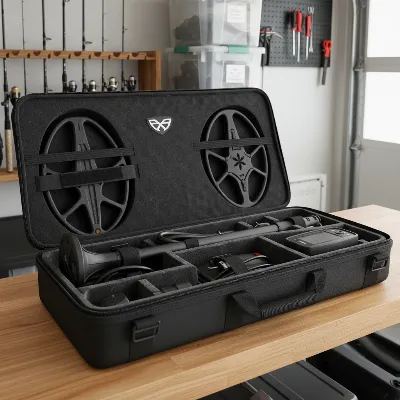 A metal detector neatly stored in a protective carrying case in a dry, organized storage space
Essential Maintenance Tools and Protective Accessories
Having the right tools and accessories on hand makes maintaining your metal detector much easier and more effective.
- Cleaning Tools:
- Soft-bristled brush: Ideal for sweeping away loose dirt and debris from crevices.
- Microfiber cloths: Perfect for wiping down surfaces and screens without scratching.
- Mild soap solution: A few drops of dish soap mixed with water for general cleaning of coils and shafts.
- Cotton swabs: Useful for cleaning around buttons and in tight spaces.
- Rubber eraser: Excellent for cleaning tarnished electrical contacts on cables and battery compartments.
- Protective Accessories:
- Coil covers/scuff plates: Essential for protecting the search coil from abrasions and impacts. Replace them when they become worn.
- Carrying cases/bags: Provide physical protection during transport and storage, safeguarding your detector from bumps, dust, and moisture.
- Screen protectors: Guard your display from scratches and environmental wear.
Conclusion
Your metal detector is more than just a tool; it’s your gateway to historical discoveries and thrilling adventures. By dedicating time to essential maintenance—from diligent cleaning and meticulous battery care to proper storage and regular inspections—you ensure its optimal performance and significantly extend its operational life. Treating your metal detector with the care it deserves means fewer frustrations in the field, more accurate finds, and a more enjoyable treasure-hunting experience. Make these maintenance tips a routine part of your hobby, and your reliable metal detector will continue to unearth untold stories and treasures for years to come.
Frequently Asked Questions
How often should I clean my metal detector?
Perform a basic cleaning of your metal detector after every use, especially in dirty, muddy, or sandy conditions. A more thorough cleaning, including removing the coil cover and checking connections, should be done regularly, such as once a month or after particularly challenging hunts.
What should I do if my metal detector gets wet?
If your metal detector gets wet, immediately power it off. Disassemble removable parts like the coil or battery pack, and gently wipe down all surfaces with a dry cloth. Allow all components to air dry completely in a well-ventilated area for several hours or even days before reassembling and powering it on. For waterproof detectors used in water, always rinse with fresh water and dry before storage.
Why is regular maintenance important for metal detectors?
Regular maintenance is crucial because it directly impacts your metal detector's accuracy, depth capabilities, and reliability. Consistent care prevents premature wear, reduces false signals, and avoids costly repairs, ensuring your equipment performs optimally for many years.
What are the best storage conditions for a metal detector?
Store your metal detector in a cool, dry place, away from direct sunlight, extreme temperatures, and high humidity. For long-term storage, remove all batteries to prevent leakage and corrosion. Using its original packaging or a dedicated carrying case provides additional protection from dust and impacts.
Which tools are essential for cleaning a metal detector?
Essential cleaning tools include a soft-bristled brush for loose debris, microfiber cloths for surfaces and screens, a mild soap solution for coils and shafts, cotton swabs for tight spaces, and a rubber eraser for cleaning electrical contacts. These tools help maintain all components effectively.
Post-Hunt Metal Detector Cleaning Routine
Establish a habit of cleaning your metal detector after every use to maintain its performance and longevity.
Use a soft-bristled brush to sweep away dirt, mud, and sand from all surfaces. Pay special attention to crevices around buttons, display edges, and connection points to prevent buildup.
Remove the coil cover (if applicable) and clean both sides of the coil and cover with a damp cloth and mild soap. Rinse thoroughly with clean water and dry completely before reassembling.
Use a soft, damp cloth (with mild soap if needed) to wipe down the control box, shaft, and armrest. Avoid saturating the control box with liquid to protect sensitive electronics.
Ensure all components are completely dry, especially connections and battery compartments, before storage or recharging. This prevents moisture-related damage and corrosion.

I used to just wipe down my detector and call it a day, but after reading about the importance of cleaning the search coil properly, I’ve changed my routine. My old machine was starting to give me some inconsistent readings, and I bet it was due to grime build-up. Now I’m much more diligent, and it feels like my detector is performing better already. Great tips for keeping our gear in top shape!
Good advice here, especially on battery management. I’ve definitely been guilty of leaving batteries in my control box for too long, which caused some corrosion once. Luckily, I caught it early. It’s a simple step but so crucial for extending the lifespan of these sensitive components. I’m going to be more careful about that from now on.
The tips on cleaning the shaft are helpful, but I wish there was more detail on specific products to use for different materials. My detector has a carbon fiber shaft, and I’m always a bit hesitant about what cleaners are safe. It’s a good general guide, but a little more specificity would make it even better. Still, solid reminders for basic care.
This is exactly what I needed! I just invested in a new high-end detector, and I want to make sure I protect my investment. The explanation about how the electromagnetic field works and why regular maintenance impacts accuracy really hit home. I’m setting up a post-hunt cleaning station now to make sure I follow all these steps. Thanks for the detailed breakdown!