Proper winter storage for a metal detector is a critical maintenance step to prevent damage and ensure peak performance for the next season. By following essential steps like thorough cleaning, meticulous battery management, and storing the device in a climate-controlled environment between 50-77°F (10-25°C) with 35-65% humidity, you can safeguard your investment from common issues such as battery corrosion, moisture damage, and connection degradation, which are leading causes of post-winter failures.
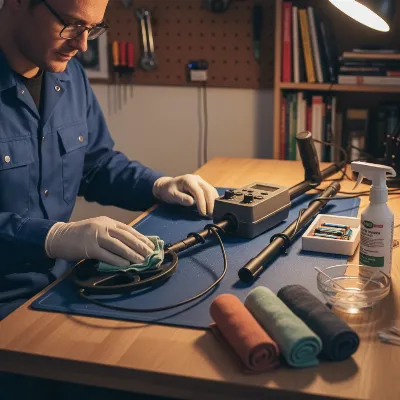 Preparing a metal detector for safe winter storage, with cleaning tools and removed batteries visible.
Understanding Your Metal Detector’s Winter Storage Needs
A metal detector is a sophisticated electronic device designed to locate metallic objects beneath the surface. It operates by emitting an electromagnetic field and detecting changes in that field caused by the presence of metal. To maintain its precision and longevity, understanding its specific needs, especially during extended periods of inactivity like winter, is paramount. For explore our metal detecting reviews on this site.
Proper winter storage is crucial because it directly impacts your detector’s performance and lifespan. Without adequate care, your device can suffer from “silent killers” such as battery corrosion, moisture damage, and connection degradation, which are the leading causes of post-winter failures. These issues can lead to expensive repairs, costing hundreds of dollars, and are often not covered by warranties due to neglect.
Common risks of improper storage include battery acid leaks that corrode contacts and wiring, moisture-induced condensation on circuit boards, and dirt causing wear on components due to temperature cycles. Extreme temperatures and humidity can severely affect the sensitive electronics, leading to malfunctions and reduced sensitivity.
Essential Steps for Preparing Your Metal Detector for Winter
Thorough Cleaning and Inspection
Before stowing your metal detector away for several months, a comprehensive cleaning is indispensable. Begin by meticulously removing all dirt, sand, mud, and debris from every part of your detector. For the control box, use a soft, dry cloth; if needed, a slightly damp cloth with mild soap can tackle stubborn grime, but ensure no moisture penetrates the internal components. For the search coil, which endures the most ground contact, wipe it clean with a wet cloth, avoiding harsh chemicals. Extend telescopic shafts fully to clean thoroughly and prevent debris from getting stuck.
After cleaning, conduct a thorough inspection of all components. Check cables, coils, and the housing for any signs of wear, cracks, or damage. Pay close attention to cable connections and ensure they are securely wrapped around the shaft. Identifying and addressing minor issues now can prevent them from escalating into significant problems later.
Battery Management for Longevity
|
Our Picks for the Best Metal Detector in 2026
As an Amazon Associate I earn from qualifying purchases.
|
||
| Num | Product | Action |
|---|---|---|
| 1 | Metal Detector for Adults Professional, Waterproof Pinpoint, High Accuracy Gold and Silver Detection, Underwater and Beach Use, 10'' IP68 Coil, Bigger LCD, New Advanced DSP Chip, Black |

|
| 2 | SUNPOW Metal Detector for Adults & Kids, Kids Metal Detector kit Waterproof for Gold Detecting, Stable Anti-Interference, Higher Accuracy, Bigger LCD Display, 4 Modes, 8" Search Coil, MD13 |
|
| 3 | PANCKY Metal Detectors for Adults Waterproof, Professional Higher Accuracy Gold Detector with LCD Display, 5 Mode, Advanced DSP Chip 10" Coil, PK0075 |
|
| 4 | DR.ÖTEK Metal Detector for Adults, Professional Metal Detectors Waterproof with 10" IP68 Coil, Larger LCD Display, High Accuracy for Gold & Silver Detection & Beach Treasure Hunting, Beginner Friendly |
|
| 5 | SUNPOW Metal Detector for Adults Professional - High Accuracy with 12" Waterproof Coil, 2x Backlit LCD Display, Advanced DSP Chip, 5 Modes, Adjustable Length (19"-59"), Sturdy Spiral Structure -OTMD14 |
|
| 6 | PANCKY Metal Detectors for Adults Waterproof, Professional Higher Accuracy Gold Detector with LCD Display, 5 Mode, Advanced DSP Chip 10" Coil, PK0075 |
|
| 7 | 2026 Latest Metal Detector for Adults, Professional Waterproof & Adjustable Stem, Higher Accuracy Gold Detector with LCD, Advanced DSP Chip, 2.26 Pounds Lightweight Suitable for Beach and Backyard |
|
| 8 | Bounty Hunter TK4 Tracker IV Metal Detector – All-Terrain Gold, Silver, Coin & Relic Finder with 8" Waterproof Coil, 3 Detection Modes – for Adults & Kids – Made in USA |
|
| 9 | Professional Metal Detector for Adults,12" IP68 Waterproof Search Coil with LCD Backlight,5 Modes Gold Detector,Advanced DSP Chip&High Accuracy System for Beach/Gold Hunting |
|
| 10 | GoGonova Metal Detector for Adults & Kids, Kids Metal Detector, Waterproof Metal Detectors with High Accuracy Lightweight 8" Search Coil, All Metal & Disc Modes for Junior & Youth Gold Detector |
|
One of the most critical steps for winter storage is proper battery management. Always remove all batteries from your metal detector if it will be idle for more than two weeks. This is vital to prevent battery leakage, which can cause severe corrosion to contacts and internal wiring, leading to costly and often irreparable damage. For alkaline batteries, simply remove them and store them in their original packaging at appropriate temperatures.
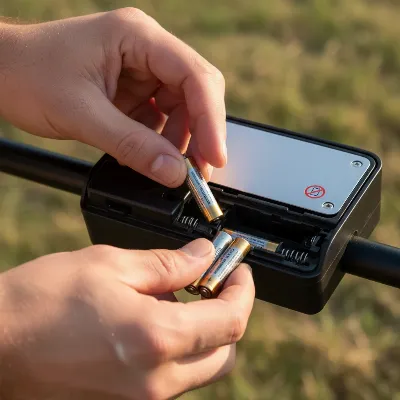 Close-up of removing batteries from a metal detector for long-term winter storage.
If your detector uses rechargeable batteries, avoid storing them either completely drained or fully charged, as both extremes can degrade battery performance over time. The optimal charge level for long-term storage is between 50% and 70%. It’s also a good practice to periodically check and top up the charge every three months to maintain optimum battery lifespan. Keep battery connections clean by wiping them with a dry cloth or cotton swab to prevent dust and oxidation buildup.
Disassembly and Component Care
Disassembling your metal detector for winter storage can offer several benefits. If your model allows, separate the search coil, lower shaft, and control box. This reduces stress on the joints and connections, which can prolong the life of your equipment. When handling individual components, take extra care to protect sensitive parts.
Ensure that all connectors are clean and dry. For waterproof models, inspect the O-rings for any cracks, flattening, or signs of deterioration. Clean O-rings with mild soap and water, rinse thoroughly, dry completely, and then apply a thin layer of silicone-based lubricant before reinstalling them to maintain their integrity. You may also consider applying silicone spray to metal shafts to protect them from environmental degradation. Wrap cables neatly around the shaft to prevent kinks or damage.
Choosing the Ideal Storage Environment
Selecting the right environment for your metal detector during its off-season rest is as crucial as the preparation steps. The goal is to protect it from environmental stressors that can degrade its performance and lifespan.
Temperature and Humidity Control
The ideal storage location for your metal detector should be a cool, dry, and climate-controlled space, such as a spare room closet, bedroom, or a temperature-controlled basement. Maintaining a stable temperature, ideally between 50-77°F (10-25°C), is essential to prevent damage from extreme heat or cold. Rapid temperature swings can cause condensation to form on internal circuitry, leading to moisture damage and corrosion.
Equally important is humidity control. High humidity is a notorious enemy of electronics, promoting corrosion and rust. Aim for a humidity level between 35-65%. To help absorb any residual moisture in storage containers or cases, consider adding 2-3 silica gel packets. Avoid storing your detector in unheated garages, outdoor sheds, vehicle trunks, or attics, as these locations often experience drastic temperature fluctuations and high humidity.
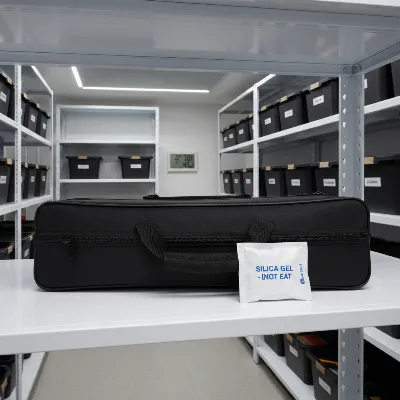 An ideal climate-controlled storage area for a metal detector during winter, featuring a protective case.
Protection from Pests and Physical Damage
Beyond environmental factors, your metal detector needs protection from physical harm and unwelcome visitors. Investing in a quality padded carrying case or a sturdy storage bag is highly recommended. These cases shield your detector from accidental bumps, scratches, dust, and general wear and tear during storage. If disassembling your detector, ensure each component is securely placed within the case to prevent movement.
To guard against pests and further protect from ground moisture, avoid storing your detector directly on the floor. Elevating it on a shelf or rack can keep it safe from rodents and insects. Ensure the storage area is free from strong magnets or other electronic gadgets that could potentially disrupt the detector’s internal electronics. Regularly checking your stored equipment, even briefly, can help ensure it remains in good condition.
Advanced Tips for Proactive Metal Detector Maintenance
For the dedicated detectorist, going beyond the basics ensures optimal performance and extends the life of their metal detector. These proactive measures can provide an extra layer of protection during long storage periods.
Lubrication and Sealing
For metal detectors designed for use in or near water, paying close attention to their waterproofing seals is crucial. Regularly inspect all O-rings and gaskets for any signs of wear, cracking, or hardening, especially before the winter season begins. These seals are vital for preventing water ingress into the control box and other sensitive components. If any damage is noted, replace the O-rings immediately, as the cost of replacement is minimal compared to the expense of water damage repairs. After cleaning, a light application of silicone-based lubricant to these seals can help maintain their flexibility and sealing capabilities.
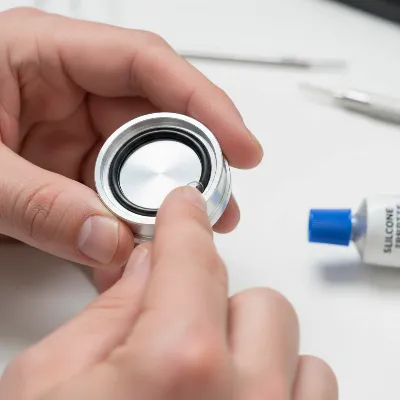 Inspecting and lubricating O-rings on a waterproof metal detector component for winter maintenance.
Consider applying protective sprays. For metal shafts, a silicone spray can help prevent corrosion and keep parts moving smoothly. For electrical connectors, a small amount of WD-40 or a specialized dielectric grease can protect against moisture and maintain good conductivity. Always ensure any sprays used are safe for electronics and plastics, and follow the manufacturer’s recommendations.
Periodic Checks During Storage
Even when stored correctly, it’s beneficial to perform periodic, brief visual inspections of your metal detector throughout the winter. This doesn’t require a full breakdown, but a quick check every few months can help you spot any unforeseen issues early. Look for signs of moisture buildup, unusual odors (which might indicate battery leakage, even if batteries are stored separately), or pest activity.
Ensure the storage area maintains adequate ventilation. If using a sealed container, occasionally open it for a short period to allow for air exchange, especially if using desiccant packets that need to be reactivated or replaced. These small, consistent efforts significantly contribute to the long-term health of your metal detector.
Buying Guide: Essential Accessories for Winter Storage
Investing in a few key accessories can significantly enhance the safety and longevity of your metal detector during its winter dormancy. These items are designed to protect, organize, and maintain your equipment effectively.
A high-quality storage or transport case is perhaps the most fundamental accessory. Look for padded, rigid cases that offer excellent protection against physical impact, dust, and moisture. Many cases are custom-fit for specific detector models, providing optimal security for the control box, coil, and shaft.
Desiccant packets, such as silica gel, are invaluable for controlling humidity within storage cases. Placing a few packets inside your detector’s case can absorb ambient moisture, preventing condensation and corrosion of sensitive electronics. These are often reusable, requiring only drying out in an oven to reactivate.
For battery management, battery organizers or small, airtight containers are excellent for storing removed batteries. This prevents accidental discharge, short-circuiting, and isolates any potential leaks from other equipment. For rechargeable batteries, a dedicated smart charger that can maintain an optimal storage charge (50-70%) is highly beneficial for extending their lifespan.
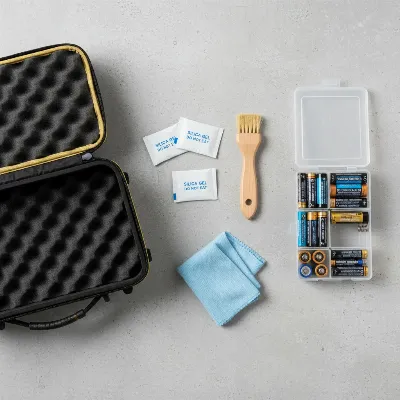 Essential accessories for safe metal detector winter storage, including a case and desiccant.
Finally, a basic cleaning kit consisting of soft cloths, microfiber towels, a soft brush, and mild electronic-safe cleaning solutions can make your pre-storage cleaning much easier and more effective. For waterproof detector owners, a silicone-based lubricant specifically designed for O-rings is a must-have to keep seals pliable and effective.
“Treat your detector as you would any sensitive electronic instrument. Although it is durably constructed and built to withstand the demands of an ordinary treasure hunt, proper care is essential.”
Conclusion
As the treasure-hunting season winds down, proper winter storage of your metal detector is far more than an afterthought; it is a vital practice that safeguards your investment and ensures its readiness for future adventures. By committing to a thorough cleaning, meticulous battery management, careful disassembly, and selection of an optimal storage environment, you actively protect your device from damaging elements like corrosion, moisture, and extreme temperatures. These proactive steps, though seemingly minor, collectively extend the life and maintain the peak performance of your metal detector. Don’t let winter neglect lead to costly repairs or a diminished detecting experience next season. Take the time now to secure your equipment, and you’ll be well-prepared to uncover new hidden treasures when the ground thaws. What forgotten discoveries await you next spring, thanks to diligent winter care?
Frequently Asked Questions
What is the best temperature and humidity for storing a metal detector?
The ideal storage environment for a metal detector is a cool, dry, and climate-controlled space with temperatures between 50-77°F (10-25°C) and humidity levels ranging from 35-65%. This prevents damage from extreme heat, cold, and moisture, which can degrade electronics and cause corrosion.
How often should I check my metal detector during winter storage?
Even with proper storage, it’s a good practice to perform brief visual inspections of your metal detector every few months during the winter. This allows you to check for any signs of moisture, pest activity, or unexpected issues, ensuring everything remains in optimal condition.
Can I store my metal detector with batteries installed if I only store it for a short time?
It is strongly recommended to remove all batteries from your metal detector if it will be stored for more than two weeks. Batteries, especially alkaline ones, can leak over time, causing corrosive damage to contacts and internal components, regardless of the storage duration.
Are there any specific sprays I should use on my metal detector for winter storage?
For waterproof models, use a silicone-based lubricant on O-rings and seals to maintain their flexibility. A silicone spray can also protect metal shafts from corrosion. For electrical connectors, a small amount of WD-40 or dielectric grease can offer additional moisture protection, but always ensure products are safe for electronics.
Why is avoiding extreme temperatures so important for metal detector storage?
Extreme temperatures, particularly rapid fluctuations, can cause condensation to form inside the control box and on circuit boards. This moisture is a primary cause of electronic damage, corrosion, and malfunction, significantly reducing the lifespan and reliability of your metal detector.
Frequently Asked Questions
What is the best temperature and humidity for storing a metal detector?
The ideal storage environment for a metal detector is a cool, dry, and climate-controlled space with temperatures between 50-77u00b0F (10-25u00b0C) and humidity levels ranging from 35-65%. This prevents damage from extreme heat, cold, and moisture, which can degrade electronics and cause corrosion.
How often should I check my metal detector during winter storage?
Even with proper storage, it's a good practice to perform brief visual inspections of your metal detector every few months during the winter. This allows you to check for any signs of moisture, pest activity, or unexpected issues, ensuring everything remains in optimal condition.
Can I store my metal detector with batteries installed if I only store it for a short time?
It is strongly recommended to remove all batteries from your metal detector if it will be stored for more than two weeks. Batteries, especially alkaline ones, can leak over time, causing corrosive damage to contacts and internal components, regardless of the storage duration.
Are there any specific sprays I should use on my metal detector for winter storage?
For waterproof models, use a silicone-based lubricant on O-rings and seals to maintain their flexibility. A silicone spray can also protect metal shafts from corrosion. For electrical connectors, a small amount of WD-40 or dielectric grease can offer additional moisture protection, but always ensure products are safe for electronics.
Why is avoiding extreme temperatures so important for metal detector storage?
Extreme temperatures, particularly rapid fluctuations, can cause condensation to form inside the control box and on circuit boards. This moisture is a primary cause of electronic damage, corrosion, and malfunction, significantly reducing the lifespan and reliability of your metal detector.
How to Store Your Metal Detector for Winter
Properly storing your metal detector for winter prevents damage and ensures it's ready for the next treasure hunting season. Follow these steps for optimal care.
Remove all dirt, sand, and debris from every part of your detector using a soft, dry cloth or a slightly damp cloth with mild soap for stubborn grime. Inspect cables, coils, and housing for wear, cracks, or damage, addressing any minor issues immediately.
Always remove all batteries if storing for more than two weeks to prevent leakage and corrosion. For rechargeable batteries, store them with a 50-70% charge and periodically check and top up the charge every three months to maintain lifespan.
If your model allows, separate the search coil, lower shaft, and control box to reduce stress on connections. Clean and dry all connectors, inspect O-rings on waterproof models, and apply silicone-based lubricant to maintain integrity.
Store your detector in a cool, dry, climate-controlled space, ideally between 50-77u00b0F (10-25u00b0C) with 35-65% humidity. Avoid unheated garages or attics, and consider adding 2-3 silica gel packets to absorb moisture.
Invest in a quality padded carrying case or sturdy storage bag to shield your detector from bumps, scratches, and dust. Elevate it on a shelf or rack to protect against rodents and insects, and ensure the area is free from strong magnets.

The advice on cleaning the detector thoroughly before storage was really helpful. I usually just wipe it down, but the idea of getting into all the nooks and crannies to prevent connection degradation makes a lot of sense. I’m a bit worried about finding a perfectly climate-controlled environment between 50-77°F, but I’ll do my best to keep it in a stable spot in the house.
I always used to just toss my detector in the garage, but after reading about battery corrosion being a leading cause of post-winter failures, I’m definitely changing my routine. The tip about removing batteries and storing them separately is a game-changer. My old detector had issues every spring, and I bet this was why. Great advice for keeping my investment safe.
This is exactly what I needed! I’ve been meaning to get better about winterizing my gear. The emphasis on preventing moisture damage and ensuring peak performance for the next season really hit home. I’m going to make sure my detector is stored properly this year, no more just leaving it in the shed.
I appreciate the detailed steps, especially about moisture damage. My only gripe is that it assumes everyone has a perfect storage spot with 35-65% humidity. For those of us in more humid climates or with limited space, it’s a bit harder to achieve. Still, the cleaning and battery management tips are solid and easy to follow.