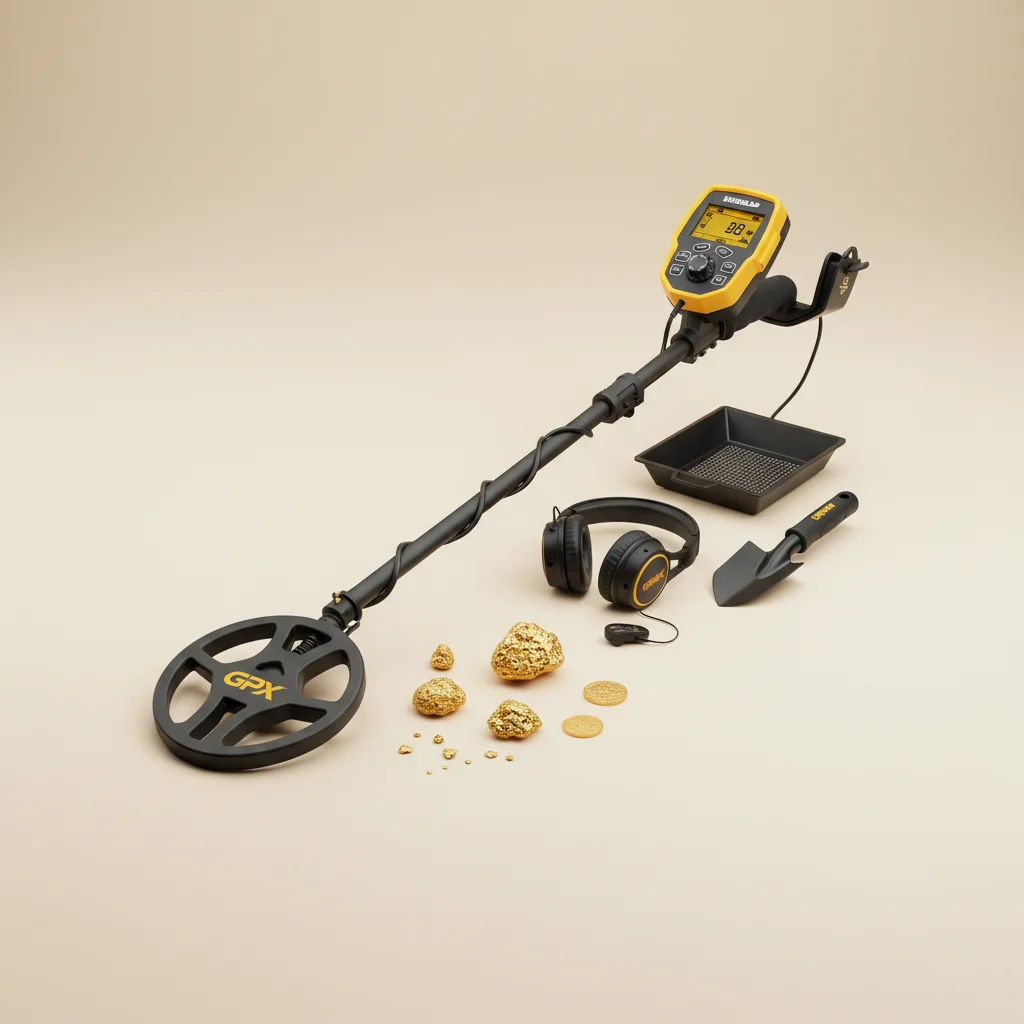
Metal detecting for gold can be a highly rewarding hobby, and beginners can successfully find their first gold nugget by using specialized high-frequency detectors (15 kHz+), researching gold-bearing terrains like alluvial deposits, and employing methodical detection techniques such as slow, overlapping swings with headphones. The key is selecting appropriate equipment and understanding geological indicators to maximize discovery potential.
Choosing the Right Gold Detector
Selecting a metal detector specifically designed for gold prospecting is paramount. These detectors typically operate at higher frequencies, which are more sensitive to small gold nuggets and flakes. Look for features like ground balancing capabilities, which help to filter out mineralized ground signals, and discrimination settings to ignore unwanted junk metals. A good starting point for beginners is a VLF (Very Low Frequency) detector with a frequency of 15 kHz or higher, or a Pulse Induction (PI) detector for highly mineralized areas. For metal detecting buying guides on this site.
Consider the weight and ergonomics of the detector, as you’ll be swinging it for extended periods. A lightweight, well-balanced unit will reduce fatigue and allow for longer, more productive searches. Many entry-level gold detectors offer excellent performance without breaking the bank, making them ideal for those just starting out.
Understanding Gold-Bearing Terrain
Gold is often found in specific geological environments. Alluvial deposits, such as riverbeds, creeks, and ancient streambeds, are prime locations because gold, being heavy, settles in these areas. Look for areas with exposed bedrock, gravel bars, and inside bends of rivers where water flow slows down, allowing gold to drop out of suspension. Old mining districts are also excellent places to search, as historical records can point to areas with known gold concentrations.
Researching local geology and historical gold finds can significantly increase your chances of success. Topographical maps and geological surveys can reveal promising areas. Always obtain permission before prospecting on private land and be aware of any regulations regarding metal detecting in public areas.
Effective Metal Detecting Techniques
|
Our Picks for the Best Metal Detector in 2026
As an Amazon Associate I earn from qualifying purchases.
|
||
| Num | Product | Action |
|---|---|---|
| 1 | PANCKY Metal Detectors for Adults Waterproof, Professional Higher Accuracy Gold Detector with LCD Display, 5 Mode, Advanced DSP Chip 10" Coil, PK0075 |

|
| 2 | 2026 Latest Metal Detector for Adults, Professional Waterproof & Adjustable Stem, Higher Accuracy Gold Detector with LCD, Advanced DSP Chip, 2.26 Pounds Lightweight Suitable for Beach and Backyard |
|
| 3 | GoGonova Metal Detector for Adults & Kids, Kids Metal Detector, Waterproof Metal Detectors with High Accuracy Lightweight 8" Search Coil, All Metal & Disc Modes for Junior & Youth Gold Detector |
|
| 4 | SUNPOW Metal Detector for Adults & Kids, Kids Metal Detector kit Waterproof for Gold Detecting, Stable Anti-Interference, Higher Accuracy, Bigger LCD Display, 4 Modes, 8" Search Coil, MD13 |
|
| 5 | DR.ÖTEK Metal Detector for Adults, Professional Metal Detectors Waterproof with 10" IP68 Coil, Larger LCD Display, High Accuracy for Gold & Silver Detection & Beach Treasure Hunting, Beginner Friendly |
|
| 6 | Metal Detector for Adults Professional, Waterproof Pinpoint, High Accuracy Gold and Silver Detection, Underwater and Beach Use, 10'' IP68 Coil, Bigger LCD, New Advanced DSP Chip, Black |
|
| 7 | PANCKY Metal Detectors for Adults Waterproof, Professional Higher Accuracy Gold Detector with LCD Display, 5 Mode, Advanced DSP Chip 10" Coil, PK0075 |
|
| 8 | Professional Metal Detector for Adults,12" IP68 Waterproof Search Coil with LCD Backlight,5 Modes Gold Detector,Advanced DSP Chip&High Accuracy System for Beach/Gold Hunting |
|
| 9 | SUNPOW Metal Detector for Adults Professional - High Accuracy with 12" Waterproof Coil, 2x Backlit LCD Display, Advanced DSP Chip, 5 Modes, Adjustable Length (19"-59"), Sturdy Spiral Structure -OTMD14 |
|
| 10 | Bounty Hunter TK4 Tracker IV Metal Detector – All-Terrain Gold, Silver, Coin & Relic Finder with 8" Waterproof Coil, 3 Detection Modes – for Adults & Kids – Made in USA |
|
When searching for gold, a slow and methodical swing is more effective than a fast one. Overlap each swing by about half the coil’s width to ensure thorough coverage of the ground. Keep the coil as close to the ground as possible without actually dragging it, especially in uneven terrain. Pay close attention to subtle changes in the detector’s audio signals; gold often produces a distinct, clear tone.
Using headphones is highly recommended as they help you hear faint signals that might otherwise be missed, especially in windy conditions or noisy environments. When you get a signal, pinpoint the target carefully before digging to minimize disturbance to the ground and make recovery easier. Always fill in your holes and leave the area as you found it.
- Swing the detector coil slowly and methodically.
- Overlap each swing by approximately 50% of the coil’s width.
- Keep the coil close to the ground for maximum sensitivity.
- Use quality headphones to hear faint gold signals.
- Pinpoint targets accurately before digging to preserve the site.
Essential Tools for Gold Prospecting
Beyond your metal detector, a few other tools are indispensable for gold prospecting. A sturdy digging tool, such as a small shovel or a specialized digging probe, is essential for excavating targets. A scoop or a small trowel can be useful for sifting through dirt once a target is located. A magnifying glass can help identify tiny gold flakes, and a small vial or container is needed to safely store your finds.
Don’t forget personal essentials like water, snacks, sun protection, and appropriate clothing for the weather and terrain. Safety should always be a priority, especially when exploring remote areas.
What to Do After Finding Gold
Once you’ve found your first gold nugget, the excitement is immense! Clean your gold carefully using a soft brush and water to remove any dirt or debris. Avoid harsh chemicals that could damage the gold. Document your find by noting the location, date, and weight of the nugget. This information can be valuable for future prospecting efforts and for understanding gold distribution in the area.
For larger finds, consider having them appraised by a reputable jeweler or gold buyer. Smaller flakes and nuggets can be kept as a personal collection or used in jewelry making. Remember that the thrill of the hunt and the connection to history are often as rewarding as the gold itself.
Frequently Asked Questions
What type of metal detector is best for finding gold?
For finding gold, a metal detector specifically designed for gold prospecting is best. These typically operate at higher frequencies, such as VLF detectors with 15 kHz or higher, or Pulse Induction (PI) detectors for highly mineralized ground, which are more sensitive to small gold flakes and nuggets.
Where are the most common places to find gold with a metal detector?
Gold is most commonly found in alluvial deposits like riverbeds, creeks, and ancient streambeds, where its weight causes it to settle. Look for exposed bedrock, gravel bars, and inside bends of rivers. Old mining districts are also excellent locations due to historical gold concentrations.
What are effective techniques for metal detecting gold?
Effective gold detecting techniques include using a slow, methodical swing, overlapping each swing by about half the coil's width, and keeping the coil close to the ground. Using headphones is highly recommended to hear faint signals, and pinpointing targets accurately before digging minimizes ground disturbance.
What essential tools are needed for gold prospecting besides a detector?
Beyond a metal detector, essential tools for gold prospecting include a sturdy digging tool (shovel or probe), a scoop or trowel for sifting dirt, a magnifying glass for identifying small flakes, and a small vial or container for storing finds. Personal essentials like water, snacks, and sun protection are also crucial.
How should I clean and store gold nuggets after finding them?
After finding gold, clean it carefully using a soft brush and water to remove dirt, avoiding harsh chemicals. Document your find by noting the location, date, and weight. Store smaller flakes and nuggets in a small vial or container, and consider appraisal for larger finds.
How to Find Your First Gold Nugget with a Metal Detector
This guide outlines the essential steps for beginners to successfully find gold nuggets using a metal detector, from choosing equipment to effective searching techniques.
Select a metal detector designed for gold prospecting, typically operating at 15 kHz or higher frequencies. Ensure it has ground balancing and discrimination features to handle mineralized ground and filter out junk metals. A lightweight, ergonomic design will improve comfort during long searches.
Research local geology and historical gold finds to locate promising areas. Focus on alluvial deposits such as riverbeds, creeks, and ancient streambeds, looking for exposed bedrock, gravel bars, and inside bends of rivers. Always obtain necessary permissions before prospecting.
Use a slow, methodical swing, overlapping each pass by about half the coil's width. Keep the coil as close to the ground as possible. Wear headphones to hear faint signals and pinpoint targets accurately before digging to minimize environmental impact.
In addition to your detector, bring a sturdy digging tool, a scoop or trowel, a magnifying glass for small finds, and a container for storing gold. Don't forget personal safety essentials like water, snacks, sun protection, and appropriate clothing for the terrain.
Once gold is found, clean it gently with a soft brush and water. Document the location, date, and weight of your find for future reference. Store smaller pieces safely and consider appraisal for larger nuggets.

The advice on ground balancing capabilities was super helpful. I was having trouble with false signals in my usual spot, but after adjusting my settings based on what I learned, it’s much better. I’m still waiting for my first nugget, but I feel a lot more confident in my technique now. Definitely a solid resource for beginners.
Good info on researching gold-bearing terrains, especially the mention of alluvial deposits. I wish there was a bit more detail on specific discrimination settings for different types of ground. My current detector struggles a bit with hot rocks, and I’m still figuring out the best way to filter those out without missing gold.
I’ve been wanting to try metal detecting for gold for ages but felt overwhelmed. This guide really helped me understand the importance of high-frequency detectors. I picked up a 18 kHz model last month and already found a tiny flake in a creek bed! The tips on slow, overlapping swings made a huge difference for me.
Fantastic guide! I’ve been using a general-purpose detector for a while, but realizing the need for a specialized gold detector operating at 15 kHz+ was a game-changer. I’m saving up for a new VLF model now. The methodical detection techniques, particularly using headphones, also improved my focus significantly.