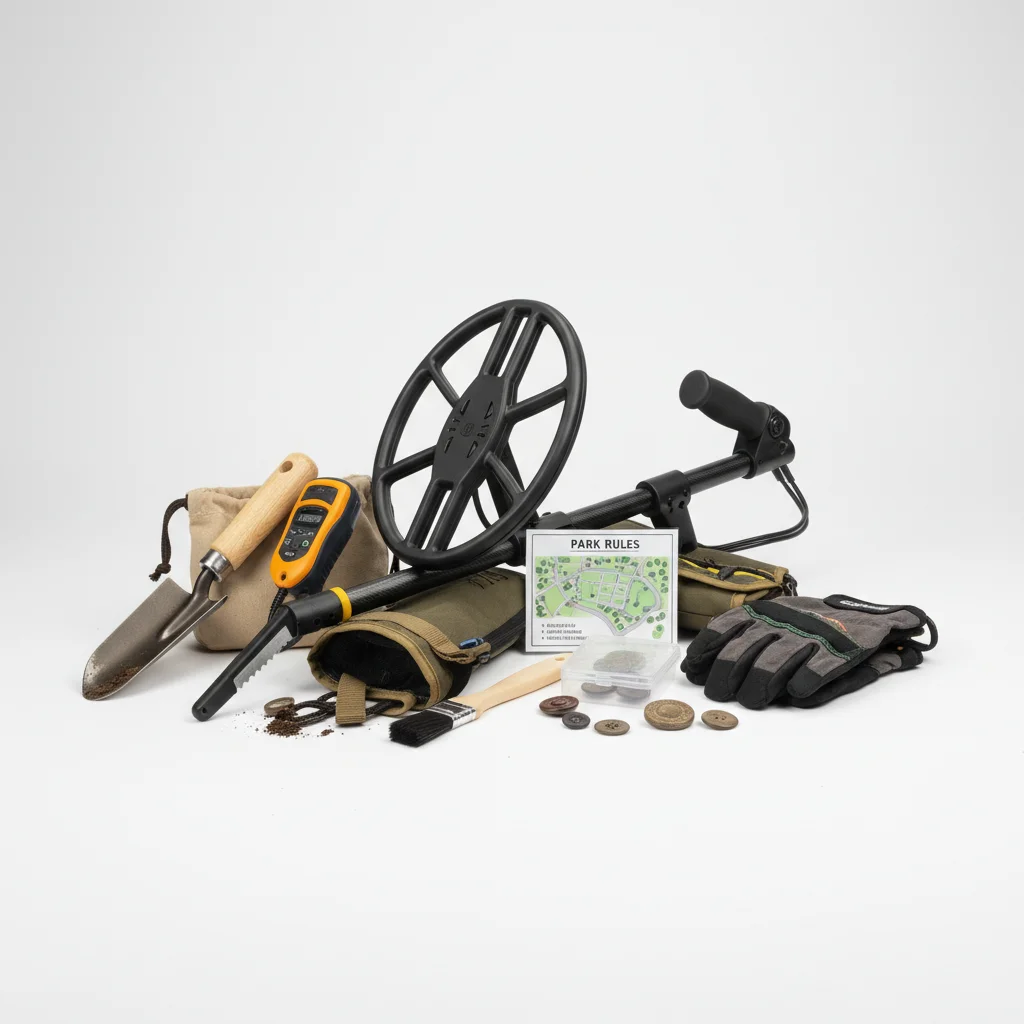
Metal detecting in parks can be a rewarding hobby, but it’s crucial to understand the regulations before you start digging. Generally, you’ll find that most parks, especially those managed by federal or state entities, have strict rules or outright bans on metal detecting to protect historical and natural resources. However, many local and county parks may permit the activity with certain restrictions, such as requiring permits or limiting digging to specific areas. Always check with the park’s administrative office or website for their specific policies.
Understanding Federal and State Park Regulations
Federal parks, including National Parks and National Forests, typically prohibit metal detecting due to the Archaeological Resources Protection Act (ARPA). This act makes it illegal to remove artifacts from federal land without a permit, which is rarely granted for recreational metal detecting. State parks often follow similar guidelines, prioritizing the preservation of historical sites and natural habitats. Before visiting any state park, consult their official website or contact their ranger station directly to confirm their current regulations. Ignorance of the law is not an excuse, and violations can lead to significant fines and penalties. For more metal detecting guides on this site.
Navigating Local and County Park Rules
Local and county parks present a more varied landscape for metal detecting enthusiasts. Many municipal parks allow metal detecting, especially in areas like sports fields, playgrounds, and designated recreational zones. However, these permits often come with conditions, such as requiring you to fill in any holes you dig, avoiding damage to vegetation, and reporting any significant historical finds. Some cities may require a special permit or registration to metal detect within their park system. Always check the specific ordinances of the city or county where the park is located. A quick call to the parks and recreation department can save you a lot of trouble.
Essential Tips for Responsible Park Detecting
|
Our Picks for the Best Metal Detector in 2026
As an Amazon Associate I earn from qualifying purchases.
|
||
| Num | Product | Action |
|---|---|---|
| 1 | SUNPOW Metal Detector for Adults & Kids, Kids Metal Detector kit Waterproof for Gold Detecting, Stable Anti-Interference, Higher Accuracy, Bigger LCD Display, 4 Modes, 8" Search Coil, MD13 |

|
| 2 | DR.ÖTEK Metal Detector for Adults, Professional Metal Detectors Waterproof with 10" IP68 Coil, Larger LCD Display, High Accuracy for Gold & Silver Detection & Beach Treasure Hunting, Beginner Friendly |
|
| 3 | PANCKY Metal Detectors for Adults Waterproof, Professional Higher Accuracy Gold Detector with LCD Display, 5 Mode, Advanced DSP Chip 10" Coil, PK0075 |
|
| 4 | Metal Detector for Adults Professional, Waterproof Pinpoint, High Accuracy Gold and Silver Detection, Underwater and Beach Use, 10'' IP68 Coil, Bigger LCD, New Advanced DSP Chip, Black |
|
| 5 | Bounty Hunter TK4 Tracker IV Metal Detector – All-Terrain Gold, Silver, Coin & Relic Finder with 8" Waterproof Coil, 3 Detection Modes – for Adults & Kids – Made in USA |
|
| 6 | GoGonova Metal Detector for Adults & Kids, Kids Metal Detector, Waterproof Metal Detectors with High Accuracy Lightweight 8" Search Coil, All Metal & Disc Modes for Junior & Youth Gold Detector |
|
| 7 | PANCKY Metal Detectors for Adults Waterproof, Professional Higher Accuracy Gold Detector with LCD Display, 5 Mode, Advanced DSP Chip 10" Coil, PK0075 |
|
| 8 | SUNPOW Metal Detector for Adults Professional - High Accuracy with 12" Waterproof Coil, 2x Backlit LCD Display, Advanced DSP Chip, 5 Modes, Adjustable Length (19"-59"), Sturdy Spiral Structure -OTMD14 |
|
| 9 | Professional Metal Detector for Adults,12" IP68 Waterproof Search Coil with LCD Backlight,5 Modes Gold Detector,Advanced DSP Chip&High Accuracy System for Beach/Gold Hunting |
|
| 10 | 2026 Latest Metal Detector for Adults, Professional Waterproof & Adjustable Stem, Higher Accuracy Gold Detector with LCD, Advanced DSP Chip, 2.26 Pounds Lightweight Suitable for Beach and Backyard |
|
When you do find a park that permits metal detecting, practicing responsible detecting is paramount. This not only ensures you comply with regulations but also helps maintain a positive image for the hobby. Always leave no trace, meaning you should fill in all holes and remove any trash you find. Consider using a small hand digger or pinpointer to minimize disturbance to the ground. Respect other park visitors and avoid detecting in crowded areas. If you unearth something that appears to be historically significant, report it to the park authorities. This responsible approach helps preserve access for all.
- Always obtain permission or a permit before detecting.
- Fill in all holes completely and remove any trash.
- Avoid disturbing vegetation or sensitive areas.
- Respect other park users and maintain a low profile.
- Report any historically significant finds to park authorities.
Recommended Gear for Park Metal Detecting
For park metal detecting, a versatile and user-friendly detector is often the best choice. Models with good discrimination capabilities are essential for filtering out modern trash like pull tabs and bottle caps, allowing you to focus on more promising targets. A lightweight design is also beneficial for longer hunts. Consider a detector like the, known for its excellent target separation and ease of use, making it ideal for trashy park environments. Additionally, a good pinpointer and a sturdy digging tool are indispensable accessories for precise recovery and minimal ground disturbance. Theis a popular choice among park hunters for its accuracy and durability.
What to Do if You Find Something Valuable
Discovering something valuable in a park can be exciting, but it’s important to know how to proceed. If you find modern lost items like jewelry or wallets, the best practice is to turn them over to the park office or local police department. Many jurisdictions have laws regarding found property, and attempting to keep it could lead to legal issues. For items that appear to be older or historically significant, it’s even more critical to report them to park authorities or a local archaeological society. They can assess the item’s importance and ensure it is properly documented and preserved, contributing to our collective understanding of history.
