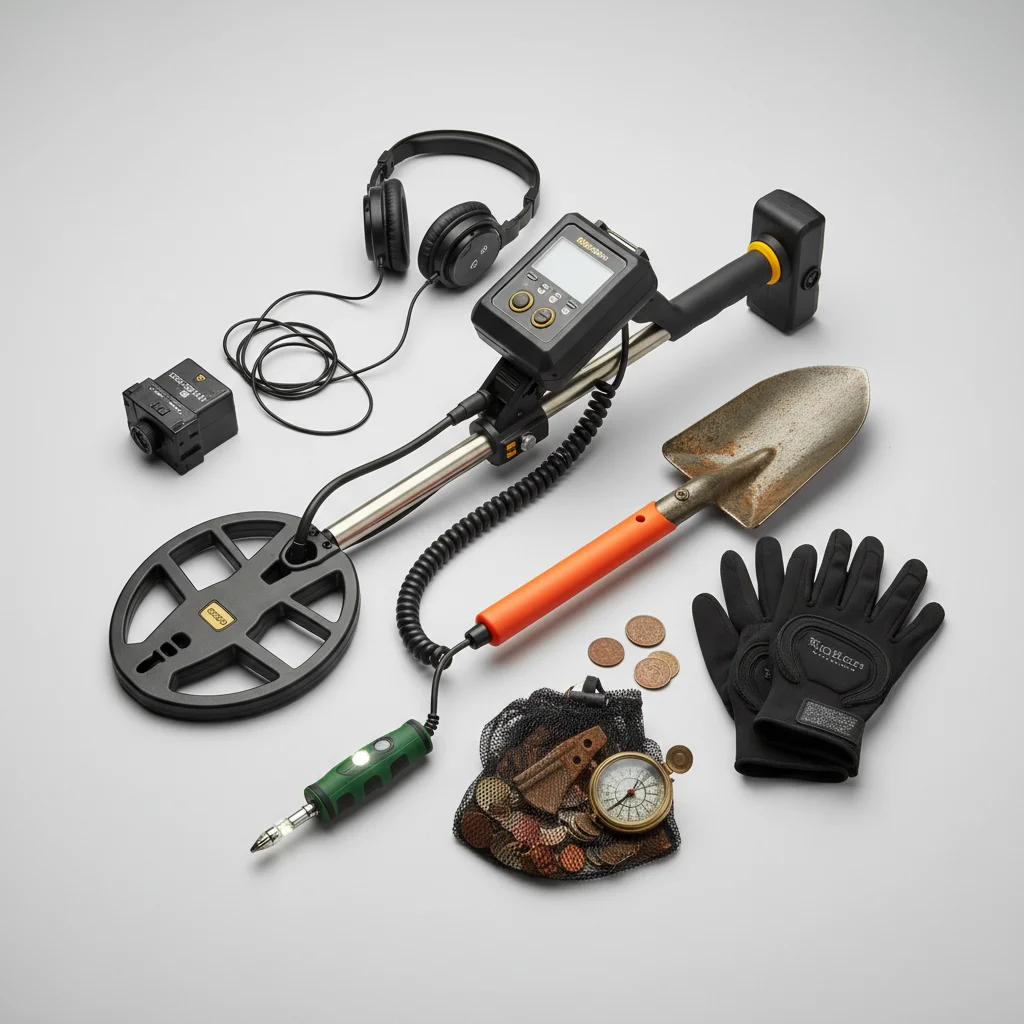
Metal detecting in rivers can be a highly rewarding adventure, offering a unique opportunity to uncover historical artifacts, lost jewelry, and valuable coins that have been washed downstream or dropped by river-goers over centuries. To maximize your chances of success and ensure a safe hunt, there are five essential tips you should follow. These include understanding river currents, using the right waterproof equipment, employing proper search patterns, prioritizing safety, and knowing local regulations.
Understanding River Currents and Sediment
Rivers are dynamic environments, and their currents play a significant role in where treasures settle. Strong currents can move lighter objects further downstream, while heavier items like coins and gold nuggets tend to settle in calmer areas, such as inside bends, behind large rocks, or in natural depressions on the riverbed. Pay close attention to the river’s flow and look for areas where sediment naturally accumulates. These are often prime locations for finding buried items. Over time, layers of sand, gravel, and silt can cover valuable finds, making a deep-seeking detector crucial.
Essential Waterproof Equipment for River Detecting
For successful river metal detecting, fully waterproof equipment is non-negotiable. This includes a submersible metal detector, waterproof headphones, and appropriate waders or a wetsuit depending on the water depth and temperature. A good quality waterproof pinpointer will also significantly speed up recovery once a target is located. Consider a detector with excellent ground balancing capabilities to handle the varying mineralization often found in riverbeds.
Effective Search Patterns and Techniques
|
Our Picks for the Best Metal Detector in 2026
As an Amazon Associate I earn from qualifying purchases.
|
||
| Num | Product | Action |
|---|---|---|
| 1 | DR.ÖTEK Metal Detector for Adults, Professional Metal Detectors Waterproof with 10" IP68 Coil, Larger LCD Display, High Accuracy for Gold & Silver Detection & Beach Treasure Hunting, Beginner Friendly |

|
| 2 | SUNPOW Metal Detector for Adults Professional - High Accuracy with 12" Waterproof Coil, 2x Backlit LCD Display, Advanced DSP Chip, 5 Modes, Adjustable Length (19"-59"), Sturdy Spiral Structure -OTMD14 |
|
| 3 | 2026 Latest Metal Detector for Adults, Professional Waterproof & Adjustable Stem, Higher Accuracy Gold Detector with LCD, Advanced DSP Chip, 2.26 Pounds Lightweight Suitable for Beach and Backyard |
|
| 4 | PANCKY Metal Detectors for Adults Waterproof, Professional Higher Accuracy Gold Detector with LCD Display, 5 Mode, Advanced DSP Chip 10" Coil, PK0075 |
|
| 5 | SUNPOW Metal Detector for Adults & Kids, Kids Metal Detector kit Waterproof for Gold Detecting, Stable Anti-Interference, Higher Accuracy, Bigger LCD Display, 4 Modes, 8" Search Coil, MD13 |
|
| 6 | Professional Metal Detector for Adults,12" IP68 Waterproof Search Coil with LCD Backlight,5 Modes Gold Detector,Advanced DSP Chip&High Accuracy System for Beach/Gold Hunting |
|
| 7 | GoGonova Metal Detector for Adults & Kids, Kids Metal Detector, Waterproof Metal Detectors with High Accuracy Lightweight 8" Search Coil, All Metal & Disc Modes for Junior & Youth Gold Detector |
|
| 8 | Bounty Hunter TK4 Tracker IV Metal Detector – All-Terrain Gold, Silver, Coin & Relic Finder with 8" Waterproof Coil, 3 Detection Modes – for Adults & Kids – Made in USA |
|
| 9 | Metal Detector for Adults Professional, Waterproof Pinpoint, High Accuracy Gold and Silver Detection, Underwater and Beach Use, 10'' IP68 Coil, Bigger LCD, New Advanced DSP Chip, Black |
|
| 10 | PANCKY Metal Detectors for Adults Waterproof, Professional Higher Accuracy Gold Detector with LCD Display, 5 Mode, Advanced DSP Chip 10" Coil, PK0075 |
|
When searching in rivers, systematic search patterns are key to covering an area thoroughly. A common and effective method is to work in a grid pattern, slowly sweeping your coil back and forth, overlapping each sweep by about 50%. Focus on areas where people might have congregated or crossed the river, such as old ford crossings, swimming holes, or near historical bridges. Pay extra attention to the banks and edges of the river, as items can often be found where they were dropped or washed ashore. Moving slowly and deliberately will help you distinguish faint signals from background noise.
Prioritizing Safety During River Hunts
Safety should always be your top priority when metal detecting in rivers. Always inform someone of your plans and expected return time. Be aware of strong currents, slippery rocks, and sudden drop-offs. Wearing appropriate footwear with good grip is essential. If detecting in deeper water, a personal flotation device is highly recommended. Be mindful of submerged obstacles like branches or debris that could cause injury. Avoid detecting during or immediately after heavy rainfall, as water levels and currents can be dangerously unpredictable.
Navigating Local Regulations and Environmental Impact
Before you even dip your coil into the water, it’s crucial to research and understand the local regulations regarding metal detecting in rivers. Rules can vary significantly by state, county, and even specific river sections. Some areas may be protected historical sites where detecting is prohibited, while others may require permits. Always obtain permission if detecting on private land adjacent to a river. Furthermore, practice responsible detecting by filling in any holes you dig, removing all trash you find, and minimizing your impact on the river ecosystem. Leave no trace behind.
- Always check local and state regulations for river detecting.
- Use a fully submersible metal detector and waterproof pinpointer.
- Wear appropriate safety gear, including waders and a PFD if needed.
- Focus on areas with calmer currents and natural sediment traps.
- Fill in all holes and remove any trash found.
