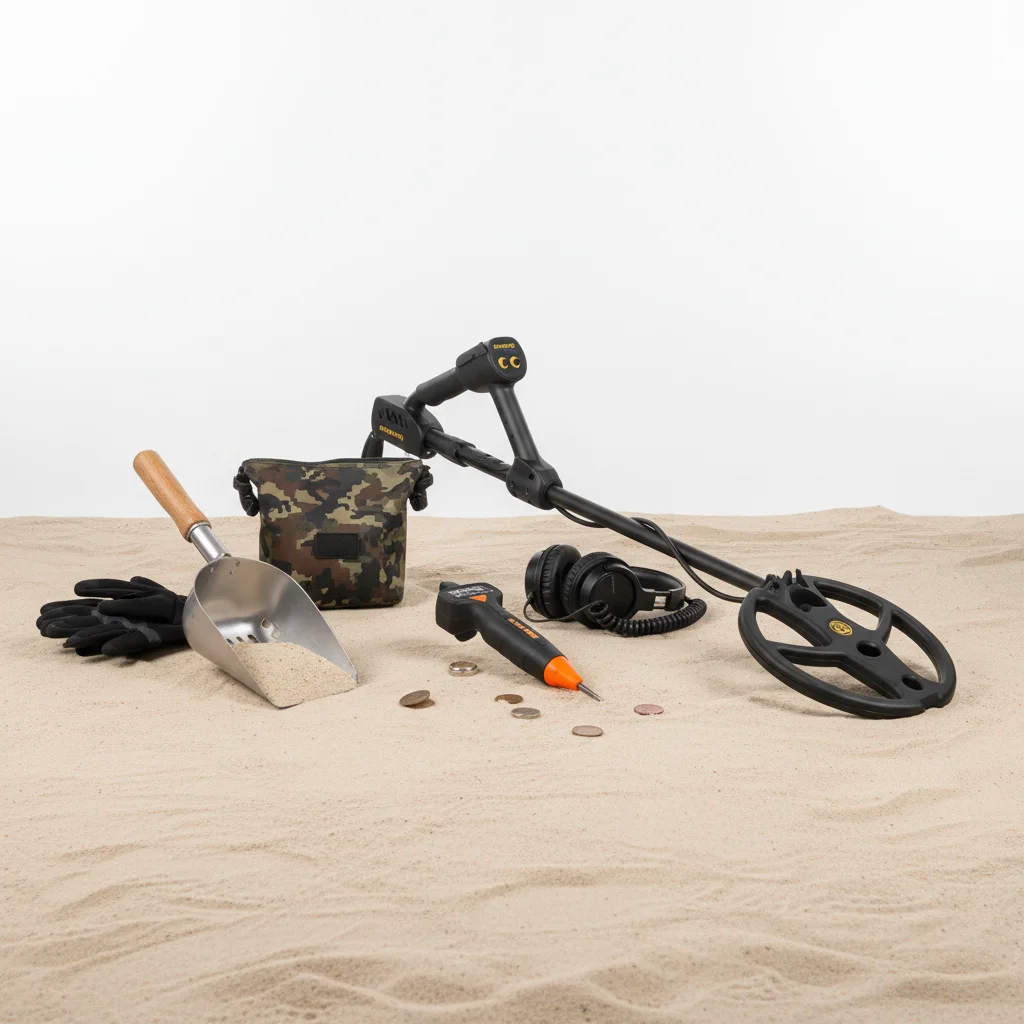
Metal detecting on the beach requires specific equipment and techniques to maximize success and ensure a safe experience. Five key considerations include understanding beach environments, choosing the right metal detector, utilizing essential accessories, navigating regulations, and employing effective hunting techniques. For instance, Pulse Induction (PI) detectors are highly recommended for saltwater conditions due to their resistance to mineralization.
Understanding Beach Environments for Metal Detecting
Beaches present distinct challenges and opportunities for metal detecting. The constantly shifting sands, varying tide lines, and the presence of both wet and dry sand zones all influence where and how you should search. Understanding these dynamics is crucial for effective treasure hunting. The wet sand, often referred to as the ‘wash line,’ is typically the most productive area as it’s where items are deposited by waves. However, it also requires a detector with good saltwater performance.
Choosing the Right Metal Detector for Beach Use
Not all metal detectors are created equal when it comes to beach hunting. Saltwater is highly conductive and can cause many detectors to false signal. Pulse Induction (PI) detectors are generally excellent for saltwater beaches as they are less susceptible to mineralization. Multi-frequency VLF (Very Low Frequency) detectors also perform well, offering good depth and target separation. Consider a waterproof coil or a fully submersible unit for exploring the surf line.
Essential Accessories for Beach Metal Detecting
|
Our Picks for the Best Metal Detector in 2026
As an Amazon Associate I earn from qualifying purchases.
|
||
| Num | Product | Action |
|---|---|---|
| 1 | SUNPOW Metal Detector for Adults & Kids, Kids Metal Detector kit Waterproof for Gold Detecting, Stable Anti-Interference, Higher Accuracy, Bigger LCD Display, 4 Modes, 8" Search Coil, MD13 |

|
| 2 | GoGonova Metal Detector for Adults & Kids, Kids Metal Detector, Waterproof Metal Detectors with High Accuracy Lightweight 8" Search Coil, All Metal & Disc Modes for Junior & Youth Gold Detector |
|
| 3 | 2026 Latest Metal Detector for Adults, Professional Waterproof & Adjustable Stem, Higher Accuracy Gold Detector with LCD, Advanced DSP Chip, 2.26 Pounds Lightweight Suitable for Beach and Backyard |
|
| 4 | Bounty Hunter TK4 Tracker IV Metal Detector – All-Terrain Gold, Silver, Coin & Relic Finder with 8" Waterproof Coil, 3 Detection Modes – for Adults & Kids – Made in USA |
|
| 5 | DR.ÖTEK Metal Detector for Adults, Professional Metal Detectors Waterproof with 10" IP68 Coil, Larger LCD Display, High Accuracy for Gold & Silver Detection & Beach Treasure Hunting, Beginner Friendly |
|
| 6 | Metal Detector for Adults Professional, Waterproof Pinpoint, High Accuracy Gold and Silver Detection, Underwater and Beach Use, 10'' IP68 Coil, Bigger LCD, New Advanced DSP Chip, Black |
|
| 7 | PANCKY Metal Detectors for Adults Waterproof, Professional Higher Accuracy Gold Detector with LCD Display, 5 Mode, Advanced DSP Chip 10" Coil, PK0075 |
|
| 8 | Professional Metal Detector for Adults,12" IP68 Waterproof Search Coil with LCD Backlight,5 Modes Gold Detector,Advanced DSP Chip&High Accuracy System for Beach/Gold Hunting |
|
| 9 | SUNPOW Metal Detector for Adults Professional - High Accuracy with 12" Waterproof Coil, 2x Backlit LCD Display, Advanced DSP Chip, 5 Modes, Adjustable Length (19"-59"), Sturdy Spiral Structure -OTMD14 |
|
| 10 | PANCKY Metal Detectors for Adults Waterproof, Professional Higher Accuracy Gold Detector with LCD Display, 5 Mode, Advanced DSP Chip 10" Coil, PK0075 |
|
Beyond your detector, several accessories will significantly enhance your beach hunting experience. A sand scoop is indispensable for sifting through sand quickly and efficiently, protecting your hands from sharp objects. Headphones are vital for hearing faint signals over the sound of waves and wind. A sturdy digging tool, a finds pouch for your treasures, and a pinpointer for precise target location are also highly recommended. Don’t forget sun protection and plenty of water!
- Waterproof sand scoop with a long handle
- Comfortable, waterproof headphones
- Durable finds pouch or belt bag
- Handheld pinpointer for accurate target recovery
- Sunscreen, hat, and polarized sunglasses
Navigating Regulations and Environmental Considerations
Before you even step onto the sand, research local regulations regarding metal detecting. Some beaches, especially those within state or national parks, may have restrictions or outright bans. Always respect private property and leave the beach cleaner than you found it. Fill in any holes you dig, and dispose of any trash you uncover. Protecting the environment ensures these beautiful locations remain accessible for everyone.
Effective Techniques for Beach Metal Detecting
Once you’re equipped and informed, it’s time to hunt! Start by scanning the dry sand, especially near towel lines and volleyball courts, where people often drop items. Move to the wet sand, working the wash line during low tide. Pay close attention to areas around jetties, piers, and lifeguard stands, as these are common spots for lost items. A slow, overlapping swing pattern is key to covering the area thoroughly and not missing any potential targets. Patience and persistence are your greatest allies.
Frequently Asked Questions
What type of metal detector is best for beach use?
Pulse Induction (PI) detectors are generally excellent for saltwater beaches because they are less susceptible to mineralization caused by salt. Multi-frequency VLF detectors also perform well, offering good depth and target separation in varying sand conditions.
What essential accessories are needed for beach metal detecting?
Key accessories include a waterproof sand scoop for sifting, comfortable waterproof headphones for hearing faint signals, a durable finds pouch, and a handheld pinpointer for precise target location. Sun protection like sunscreen and a hat are also highly recommended.
Where are the most productive areas to metal detect on a beach?
The wet sand, often called the 'wash line,' is typically the most productive area as waves deposit items there. Also, focus on dry sand near towel lines, volleyball courts, jetties, piers, and lifeguard stands where items are frequently lost.
Are there specific regulations for metal detecting on beaches?
Yes, local regulations vary significantly, and some beaches, especially within state or national parks, may have restrictions or outright bans. Always research local rules before you begin detecting to avoid legal issues.
How do I protect the environment while metal detecting on the beach?
Always fill in any holes you dig to prevent hazards and dispose of any trash you uncover, leaving the beach cleaner than you found it. Respect private property and adhere to all environmental guidelines to ensure continued access for everyone.
How to Metal Detect on the Beach Effectively
Follow these steps to maximize your success and ensure a safe, enjoyable experience while metal detecting on the beach.
Familiarize yourself with the dynamics of wet and dry sand zones, tide lines, and the 'wash line' where items are often deposited. This understanding helps in identifying the most promising areas for treasure hunting.
Select a metal detector suitable for saltwater, such as a Pulse Induction (PI) or multi-frequency VLF unit. Consider a waterproof coil or a fully submersible detector for exploring the surf line without damage.
Equip yourself with a waterproof sand scoop, comfortable headphones, a durable finds pouch, and a pinpointer. Don't forget sun protection like sunscreen and a hat, along with plenty of water.
Before starting, research local metal detecting regulations, as some beaches have restrictions or bans. Always fill in holes, dispose of trash, and respect private property to protect the environment.
Begin by scanning dry sand near common activity areas, then move to the wet sand's wash line during low tide. Use a slow, overlapping swing pattern to cover the area thoroughly and increase your chances of finding targets.

I’m new to metal detecting and planning my first beach trip. The breakdown of essential accessories was super useful. I hadn’t even thought about a good sand scoop or a pinpointer being so crucial for efficient recovery. Now I know exactly what I need to get before I head out to the coast.
I’ve been beach detecting for years, and the tip about using Pulse Induction detectors for saltwater conditions is spot on. I switched to a PI machine last season and my finds in the wet sand have increased dramatically. It really cuts through the mineralization that used to drive my old VLF crazy. Definitely a game changer for serious beach hunters.
Great advice on understanding the different beach environments. I always focused on the dry sand, but after reading about the wash line, I spent more time there last weekend and pulled out some cool old coins! My scoop is a bit flimsy for the really wet, heavy sand though, so I’m looking to upgrade that accessory soon.
The section on regulations was helpful, but I wish there was more detail on specific state or local rules. It’s still a bit vague on what’s allowed where, and I had to do a lot of extra digging to figure out if I could detect on my local beach. My detector works great, but knowing the rules is half the battle.