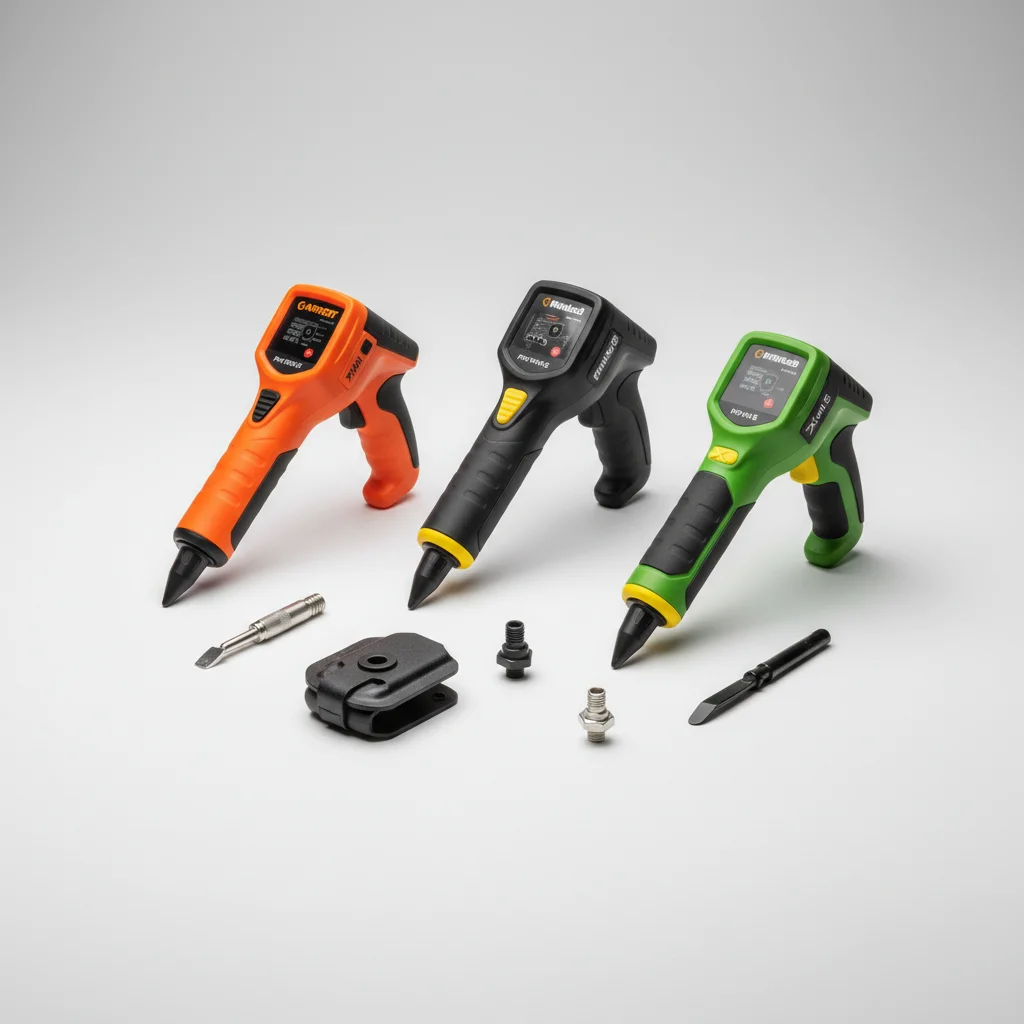
Metal detecting pinpointers are small, handheld devices designed to help treasure hunters pinpoint the exact location of a buried target after it has been detected by a larger metal detector. They are indeed worth the investment for serious hobbyists, significantly reducing recovery time and minimizing damage to targets and the environment. These tools typically offer 360-degree detection and audible or vibratory alerts that increase in intensity as you get closer to the object.
How Pinpointers Enhance Your Treasure Hunting Efficiency
A pinpointer dramatically speeds up the recovery process. Once your main detector signals a target, you can dig a small plug of earth and then use the pinpointer to scan the soil within the hole or the removed plug. This precision prevents unnecessary digging and helps you avoid scratching or damaging valuable finds. Without a pinpointer, you might spend considerable time sifting through dirt by hand, often missing smaller items or even larger ones if they are deeply embedded in a clod of earth.
Consider the scenario of finding a small coin. A pinpointer can guide you directly to it, often within seconds, whereas manually searching through excavated soil could take several minutes, especially in challenging soil conditions like clay or rocky ground.
Key Features to Look for in a Quality Pinpointer
When selecting a metal detecting pinpointer, several features contribute to its overall effectiveness and user experience. Waterproofing is crucial, allowing for use in wet conditions or even shallow water. Adjustable sensitivity settings are also important, enabling you to fine-tune the device for different target sizes and soil types. Some pinpointers offer a lost alarm feature, which can be invaluable if you accidentally misplace it in tall grass or dense foliage.
- Waterproof or water-resistant design for versatile use.
- Adjustable sensitivity levels to suit various conditions.
- Audible, vibratory, or LED alerts for clear target indication.
- Ergonomic design for comfortable handling during long hunts.
- Durable construction to withstand outdoor environments.
Integrating a Pinpointer into Your Recovery Workflow
|
Our Picks for the Best Metal Detector in 2026
As an Amazon Associate I earn from qualifying purchases.
|
||
| Num | Product | Action |
|---|---|---|
| 1 | DR.ÖTEK Metal Detector for Adults, Professional Metal Detectors Waterproof with 10" IP68 Coil, Larger LCD Display, High Accuracy for Gold & Silver Detection & Beach Treasure Hunting, Beginner Friendly |

|
| 2 | Bounty Hunter TK4 Tracker IV Metal Detector – All-Terrain Gold, Silver, Coin & Relic Finder with 8" Waterproof Coil, 3 Detection Modes – for Adults & Kids – Made in USA |
|
| 3 | GoGonova Metal Detector for Adults & Kids, Kids Metal Detector, Waterproof Metal Detectors with High Accuracy Lightweight 8" Search Coil, All Metal & Disc Modes for Junior & Youth Gold Detector |
|
| 4 | Professional Metal Detector for Adults,12" IP68 Waterproof Search Coil with LCD Backlight,5 Modes Gold Detector,Advanced DSP Chip&High Accuracy System for Beach/Gold Hunting |
|
| 5 | 2026 Latest Metal Detector for Adults, Professional Waterproof & Adjustable Stem, Higher Accuracy Gold Detector with LCD, Advanced DSP Chip, 2.26 Pounds Lightweight Suitable for Beach and Backyard |
|
| 6 | PANCKY Metal Detectors for Adults Waterproof, Professional Higher Accuracy Gold Detector with LCD Display, 5 Mode, Advanced DSP Chip 10" Coil, PK0075 |
|
| 7 | Metal Detector for Adults Professional, Waterproof Pinpoint, High Accuracy Gold and Silver Detection, Underwater and Beach Use, 10'' IP68 Coil, Bigger LCD, New Advanced DSP Chip, Black |
|
| 8 | PANCKY Metal Detectors for Adults Waterproof, Professional Higher Accuracy Gold Detector with LCD Display, 5 Mode, Advanced DSP Chip 10" Coil, PK0075 |
|
| 9 | SUNPOW Metal Detector for Adults Professional - High Accuracy with 12" Waterproof Coil, 2x Backlit LCD Display, Advanced DSP Chip, 5 Modes, Adjustable Length (19"-59"), Sturdy Spiral Structure -OTMD14 |
|
| 10 | SUNPOW Metal Detector for Adults & Kids, Kids Metal Detector kit Waterproof for Gold Detecting, Stable Anti-Interference, Higher Accuracy, Bigger LCD Display, 4 Modes, 8" Search Coil, MD13 |
|
The workflow with a pinpointer is straightforward and highly effective. After your main metal detector indicates a target, you’ll typically dig a small, neat plug of soil. Then, you’ll use the pinpointer to scan the inside of the hole and the excavated plug. The pinpointer’s precise alerts will guide you to the exact location of the target, often allowing you to pick it out with your fingers or a small digging tool. This method minimizes the size of your dig hole and reduces the impact on the landscape, which is particularly important when hunting in public parks or sensitive areas.
Many experienced detectorists consider a pinpointer an indispensable tool, almost as important as the main detector itself. It’s a small investment that yields significant returns in terms of time saved and successful recoveries.
Common Misconceptions About Pinpointers
Some beginners might think a pinpointer is a luxury rather than a necessity. However, the time saved and the frustration avoided quickly demonstrate its value. Another misconception is that all pinpointers are the same. While their core function is similar, variations in sensitivity, build quality, and additional features can significantly impact performance. Investing in a reputable brand often means better durability and more reliable detection.
For those looking to upgrade their treasure hunting kit, a high-quality pinpointer is a logical next step after acquiring a primary metal detector. It refines the entire process, making each hunt more productive and enjoyable.
Choosing the Right Pinpointer for Your Needs
When deciding on a pinpointer, consider your typical hunting environments. If you frequently hunt near water or in rainy conditions, a fully waterproof model is essential. For those who primarily hunt in dry, open fields, a water-resistant model might suffice. Battery life is another practical consideration; some models use standard 9V batteries, while others feature rechargeable lithium-ion batteries. Read reviews and compare features to find the best fit for your specific treasure hunting style and budget.
