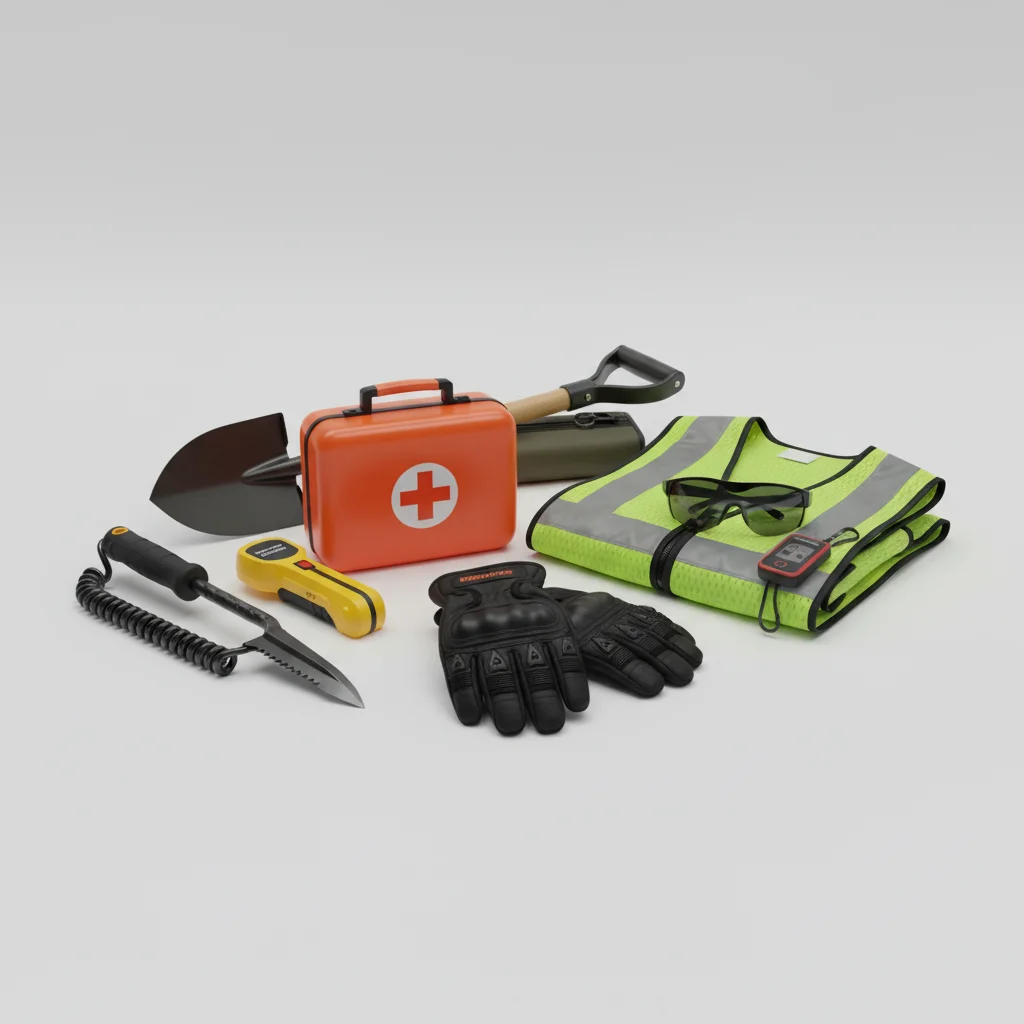
Ensuring metal detecting safety is paramount for any treasure hunter, whether you’re a seasoned pro or just starting out. There are 5 essential tips you should always follow to protect yourself, others, and the environment during your hunts. These include understanding local regulations, being aware of your surroundings, using proper digging techniques, handling finds responsibly, and always informing someone of your whereabouts.
Understand Local Regulations and Permissions
Before you even think about heading out with your detector, it’s crucial to research and understand the local laws and regulations regarding metal detecting. Many areas, especially historical sites, national parks, and private properties, have strict rules or outright bans on metal detecting. Always obtain permission from landowners before detecting on private property. Ignoring these rules can lead to fines, confiscation of equipment, or even legal action. A quick search online for your specific location’s ordinances or a call to local authorities can save you a lot of trouble.
Be Aware of Your Surroundings and Potential Hazards
Your immediate environment can present numerous hazards. Always be vigilant for uneven terrain, hidden holes, sharp objects, and dangerous wildlife. When detecting near roads or construction sites, wear high-visibility clothing. If you’re near water, be mindful of currents and slippery banks. It’s also wise to carry a first-aid kit for minor injuries. Never detect in areas with unexploded ordnance (UXO) warnings or where live power lines are buried. If you suspect you’ve found something dangerous, do not touch it; mark the location and contact local authorities immediately.
Employ Proper Digging Techniques and Fill Your Holes
|
Our Picks for the Best Metal Detector in 2026
As an Amazon Associate I earn from qualifying purchases.
|
||
| Num | Product | Action |
|---|---|---|
| 1 | Metal Detector for Adults Professional, Waterproof Pinpoint, High Accuracy Gold and Silver Detection, Underwater and Beach Use, 10'' IP68 Coil, Bigger LCD, New Advanced DSP Chip, Black |

|
| 2 | Professional Metal Detector for Adults,12" IP68 Waterproof Search Coil with LCD Backlight,5 Modes Gold Detector,Advanced DSP Chip&High Accuracy System for Beach/Gold Hunting |
|
| 3 | PANCKY Metal Detectors for Adults Waterproof, Professional Higher Accuracy Gold Detector with LCD Display, 5 Mode, Advanced DSP Chip 10" Coil, PK0075 |
|
| 4 | PANCKY Metal Detectors for Adults Waterproof, Professional Higher Accuracy Gold Detector with LCD Display, 5 Mode, Advanced DSP Chip 10" Coil, PK0075 |
|
| 5 | GoGonova Metal Detector for Adults & Kids, Kids Metal Detector, Waterproof Metal Detectors with High Accuracy Lightweight 8" Search Coil, All Metal & Disc Modes for Junior & Youth Gold Detector |
|
| 6 | Bounty Hunter TK4 Tracker IV Metal Detector – All-Terrain Gold, Silver, Coin & Relic Finder with 8" Waterproof Coil, 3 Detection Modes – for Adults & Kids – Made in USA |
|
| 7 | SUNPOW Metal Detector for Adults Professional - High Accuracy with 12" Waterproof Coil, 2x Backlit LCD Display, Advanced DSP Chip, 5 Modes, Adjustable Length (19"-59"), Sturdy Spiral Structure -OTMD14 |
|
| 8 | SUNPOW Metal Detector for Adults & Kids, Kids Metal Detector kit Waterproof for Gold Detecting, Stable Anti-Interference, Higher Accuracy, Bigger LCD Display, 4 Modes, 8" Search Coil, MD13 |
|
| 9 | DR.ÖTEK Metal Detector for Adults, Professional Metal Detectors Waterproof with 10" IP68 Coil, Larger LCD Display, High Accuracy for Gold & Silver Detection & Beach Treasure Hunting, Beginner Friendly |
|
| 10 | 2026 Latest Metal Detector for Adults, Professional Waterproof & Adjustable Stem, Higher Accuracy Gold Detector with LCD, Advanced DSP Chip, 2.26 Pounds Lightweight Suitable for Beach and Backyard |
|
Responsible digging is a cornerstone of metal detecting safety and etiquette. Always use appropriate digging tools, such as a small trowel or spade, to minimize ground disturbance. Dig carefully, creating a neat plug of turf that can be easily replaced. After recovering your target, backfill the hole completely, ensuring no trip hazards are left behind. This practice not only maintains the aesthetics of the area but also prevents injuries to others and protects the local ecosystem. Leaving a site as you found it, or better, is a sign of a respectful detectorist.
- Always use a small, sharp digging tool.
- Cut a neat, three-sided plug of turf.
- Carefully remove soil to locate your target.
- Replace the soil and turf plug securely.
- Ensure no visible signs of digging remain.
Handle Finds Responsibly and Report Significant Discoveries
Once you’ve unearthed a find, responsible handling is key. For common items like modern coins or trash, proper disposal is important. However, if you believe you’ve found an item of historical or archaeological significance, it’s vital to handle it with care and report it to the appropriate authorities. Depending on your location, there may be specific protocols for reporting archaeological finds. This ensures that valuable historical information is preserved and studied correctly, rather than being lost or damaged. Never attempt to clean or restore ancient artifacts yourself, as this can cause irreversible damage.
Inform Someone of Your Plans and Carry Essential Gear
Before heading out for a metal detecting session, especially in remote or unfamiliar areas, always inform a trusted friend or family member of your exact location and estimated return time. Carry a fully charged cell phone, a map or GPS device, and sufficient water and snacks. Depending on the weather, appropriate clothing, including sun protection or rain gear, is also essential. A whistle can be useful for attracting attention in an emergency. Being prepared for unexpected situations can make a significant difference in your safety and enjoyment. For reliable communication and navigation, consider adding a robust GPS device to your kit.And for those longer hunts, a comfortable and durable digging pouch is indispensable.

Good points here, especially about understanding local regulations. I almost got into trouble detecting near an old battlefield site because I didn’t realize it was protected. Luckily, a park ranger just gave me a warning. It’s definitely worth doing your homework before you even leave the house. Wish there was a quick link to a resource for checking local laws, but still super helpful.
The tips on proper digging techniques are solid, but I felt like it could have gone into more detail about specific tools. I’m always looking for ways to minimize my impact, and sometimes it’s hard to know which shovel or probe is best for different soil types. Still, a good general overview for beginners.
This really hit home for me. I’ve seen some detectorists leave huge holes and trash behind, which gives us all a bad name. The section on handling finds responsibly and leaving no trace is so important. It’s not just about finding cool stuff, it’s about respecting the land and other people who use it.
I’ve been detecting for years, and it’s easy to get complacent. This was a great reminder about always informing someone of your whereabouts. I had a close call once where my phone died in a remote area, and no one knew where I was. Now I always share my location with my wife before I head out, especially when I’m trying new spots.